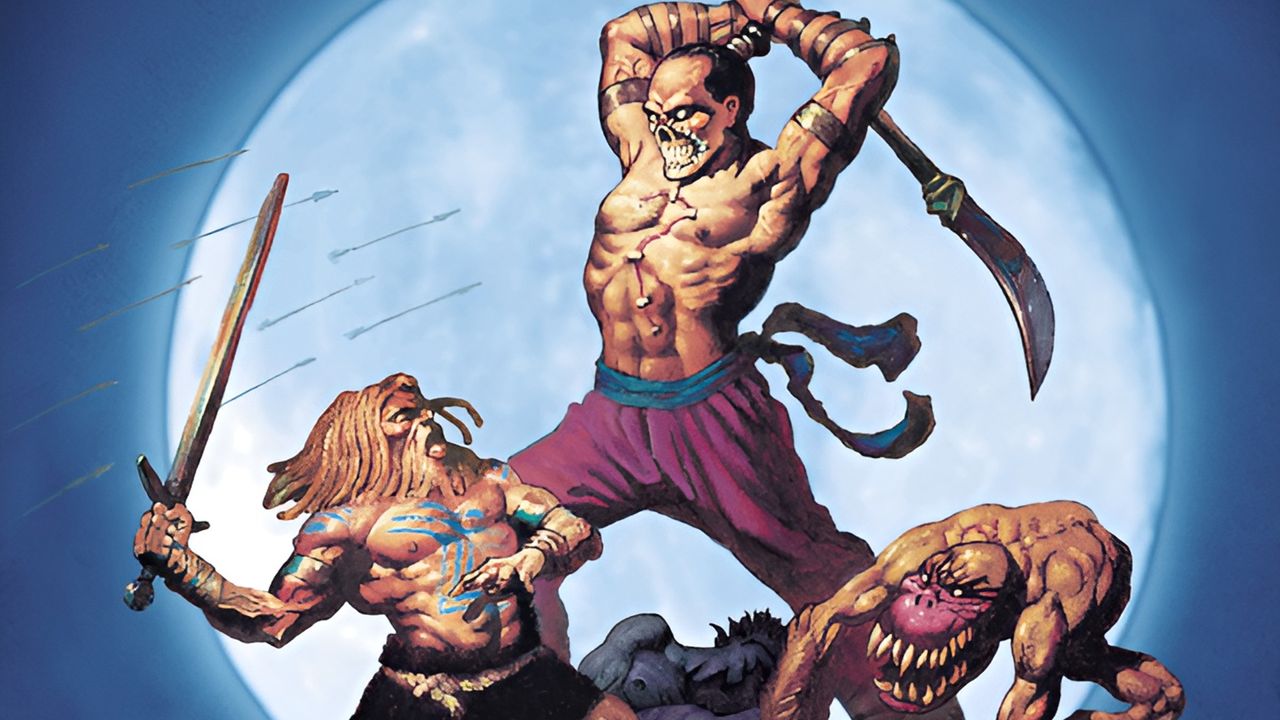
Bungie's legacy extends far beyond Destiny and Halo. The studio built its reputation on Myth, a real-time tactics game released in 1997 that let players command fantasy armies and deploy creative weapons like dwarf bombs to obliterate undead hordes. That franchise has sat dormant for over two decades, and one PC Gamer writer isn't shy about wanting it back.
The argument cuts to something real about modern Bungie. Since leaving Microsoft and later activating as an independent studio, Bungie poured resources into live-service multiplayer shooters. Destiny and its sequel became genre-defining titles, dominating player attention and revenue streams. Extraction shooters like The Division Resurgence further cement the studio's focus on competitive, always-online experiences.
But Myth offered something different. The series combined tactical squad-based gameplay with dark fantasy aesthetics and absurdist humor. Players didn't just win firefights. They orchestrated elaborate destruction sequences, using game physics and unit abilities in ways that felt creative rather than scripted. Dwarf bombs weren't just weapons. They were entertainment.
The writer's nostalgia reflects a broader industry pattern. AAA studios chase live-service multiplayer because the business model works. Myth won't generate quarterly revenue or battle pass sales. Strategic single-player campaigns don't hold players in ecosystem retention loops. The genre lacks the esports infrastructure that drives viewership and monetization.
Yet Bungie's multiplayer dominance shouldn't eclipse what made the studio legendary. Myth: The Fallen Lords proved that real-time tactics could reach console audiences at a time when the genre seemed PC-exclusive. Its sequels expanded that vision. The franchise died because Bungie moved on, not because players stopped wanting tactical fantasy games.
Whether Bungie ever resurrects Myth remains unlikely. The studio faces pressure to