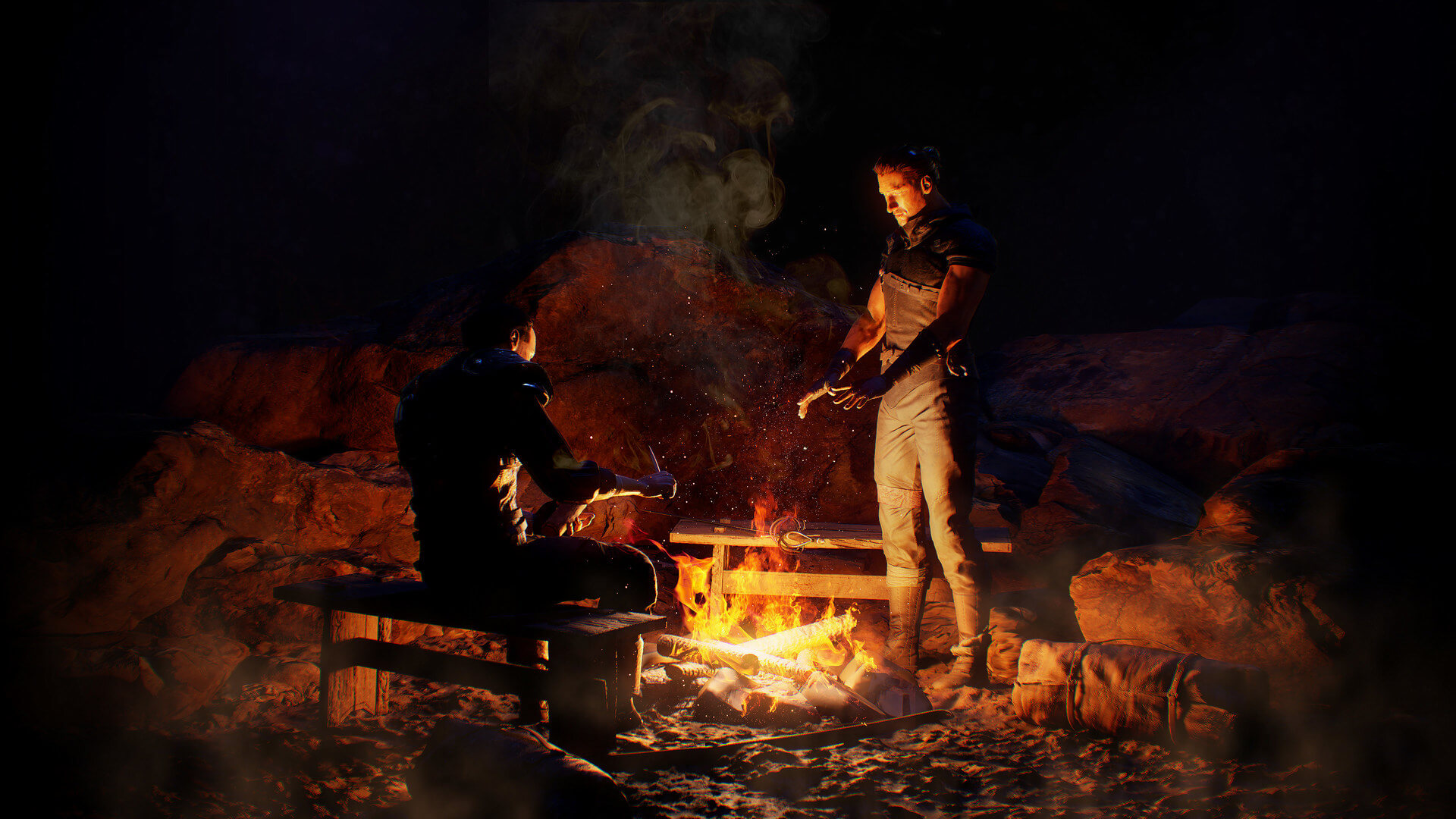
Alkimia Interactive's Gothic 1 remake attempts to resurrect the 2001 cult classic from Piranha Bytes, but the execution falls short of expectations. The remake modernizes the original's dark fantasy setting and non-linear exploration, yet technical issues and design inconsistencies undermine the experience.
The original Gothic established itself through player freedom and consequence-driven storytelling. Players could join rival factions, ignore main quests, and tackle objectives in any order. Alkimia's version preserves this framework on paper, but the remake struggles with pacing and balance. Combat feels clunky despite graphical improvements. AI pathing problems create frustrating encounters where enemies behave unpredictably. Loading times between areas break immersion frequently.
Character progression mirrors the original's leveling system, yet the remake introduces artificial difficulty spikes that punish experimentation. The faction system, once Gothic's calling card, now feels undercooked. Dialogue choices rarely deliver the weight they should. Voice acting ranges from serviceable to distracting.
Visually, the remake shines. Khorinis, the game's central island, looks atmospheric and detailed. Environmental design captures the gritty medieval aesthetic of the source material. Performance optimization proves inconsistent across platforms, though, particularly on older hardware.
The remake releases on PlayStation 5, Xbox Series X/S, and PC. Console versions suffer more from technical hiccups than the PC build, but all versions experience occasional crashes and frame rate dips during intense combat.
Alkimia Interactive clearly respects the source material. The bones of Gothic remain intact. However, the execution reveals cracks throughout. The remake doesn't justify itself as a definitive version when the original remains playable and arguably more satisfying. Nostalgia-driven fans might find enough here to justify the purchase, but new players unfamiliar with the