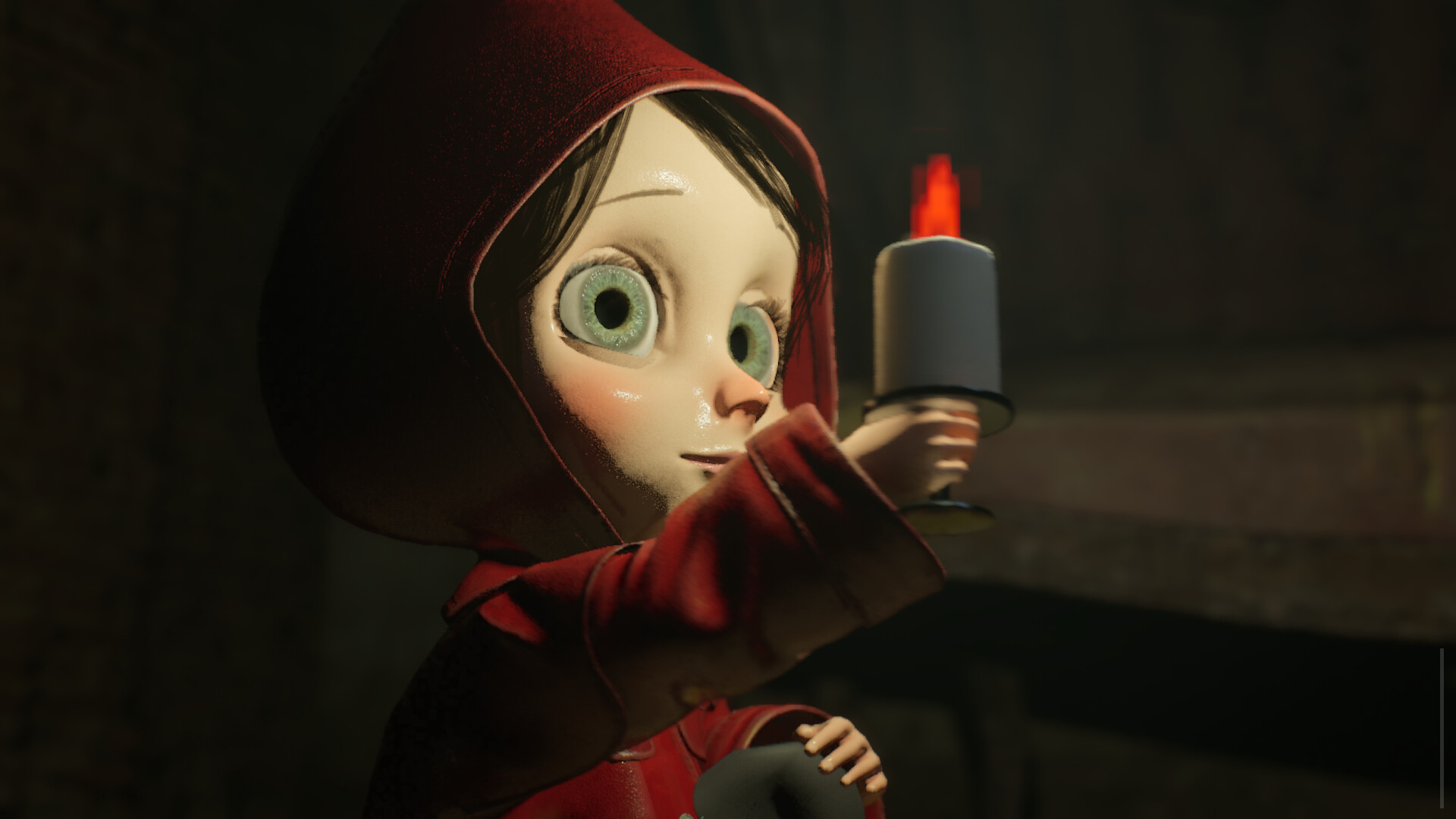
Brokenlore returns with FOLLOW, a sequel that expands on the foundation laid by UNFOLLOW while introducing fresh mechanics and a darker emotional core. The game confronts childhood neglect through its narrative, a departure from typical indie storytelling that tackles mature themes with restraint and nuance.
FOLLOW builds on the puzzle-adventure formula of its predecessor, retaining the elements players responded to while adding new systems that deepen gameplay variety. The sequel doesn't simply recycle its predecessor's structure. Instead, it evolves the core experience by layering in thematic storytelling that examines how early trauma shapes development and identity.
The emotional weight here comes from Serafini's willingness to explore neglect without melodrama. Rather than relying on heavy-handed exposition, FOLLOW trusts players to piece together its narrative through environmental design and subtle character beats. This approach demands more from players but rewards that investment with a story that resonates beyond the credits.
Puzzle design remains central to FOLLOW's appeal. The sequel challenges players to think spatially and critically, building toward moments where gameplay and narrative align. These peaks create the kind of satisfaction that defines strong adventure games, where solving a puzzle feels like uncovering a story beat rather than completing busywork.
The title itself carries weight. "FOLLOW" functions as both instruction and ironic commentary on agency, control, and the paths we're forced to walk. It's the kind of thematic coherence rare in indie games, where every element serves the larger vision rather than just filling space.
FOLLOW arrives in a crowded indie field where puzzle-adventure games compete heavily for attention. Yet Serafini's willingness to blend mechanical depth with emotional storytelling sets this sequel apart. It doesn't coast on the goodwill of its predecessor. Instead, it justifies its existence by saying something new while respecting what made UNFOL