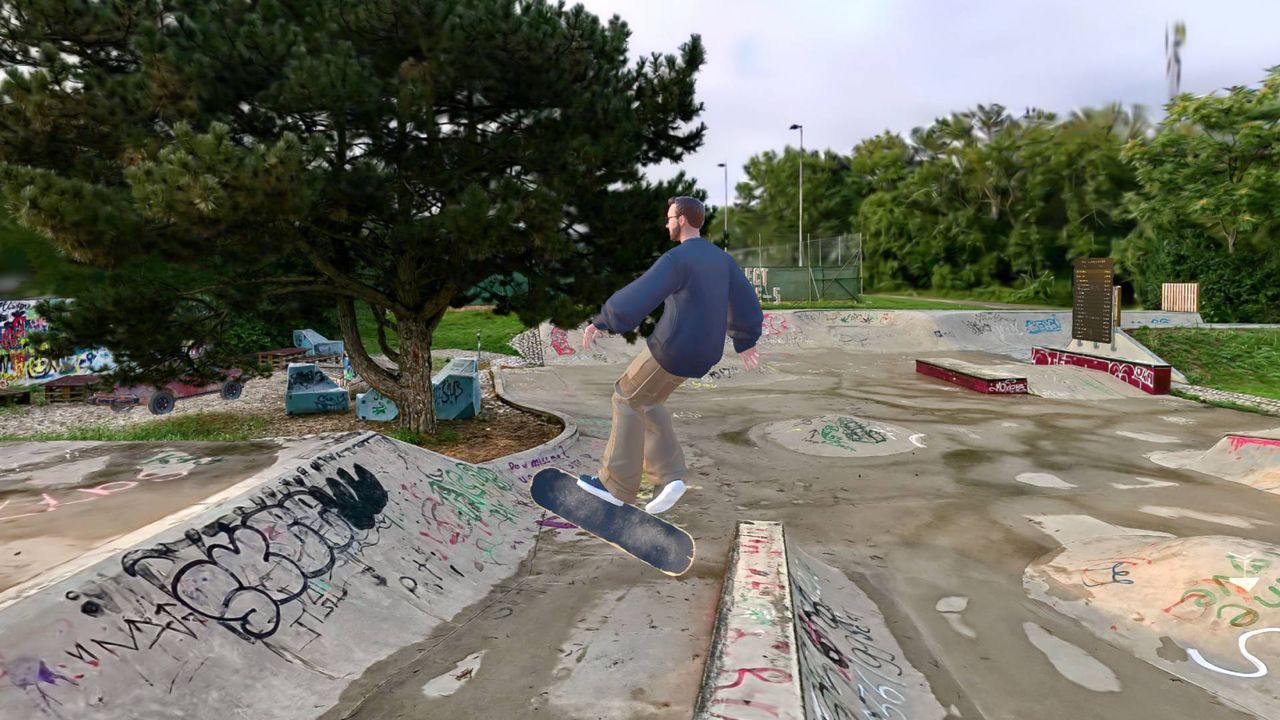
Neural rendering technology stands poised to revolutionize how game developers produce photorealistic graphics without the computational overhead that currently limits AAA production. This technique uses machine learning and neural networks to generate or enhance visual assets, drastically reducing the processing power needed for high-fidelity rendering compared to traditional ray tracing and rasterization methods.
The approach works by training neural networks on existing game assets and real-world photography, allowing engines to predict and generate missing visual data on the fly. Rather than calculating every pixel through physics-based simulation, neural rendering compresses complex lighting, material properties, and geometry into learned mathematical models. The result delivers photorealism at a fraction of the GPU cost.
For indie developers and mid-tier studios, this breakthrough democratizes graphics quality historically reserved for teams with massive budgets and hardware requirements. A small team running Unreal Engine or a custom pipeline can now achieve visual fidelity matching multi-million dollar AAA productions. Mobile gaming stands to benefit enormously, as neural rendering runs efficiently on smartphone GPUs and chips.
Major engine makers and hardware vendors have begun integrating neural rendering tools into their development pipelines. NVIDIA's work in this space, combined with advances in real-time AI inference, makes deployment viable for commercial games launching within the next few years. Several upcoming indie titles and experimental projects already leverage these techniques to showcase the technology's potential.
The catch remains optimization and standardization. Neural rendering requires careful training datasets, specialized expertise, and validation to ensure consistent output across platforms. Game studios need clear pipelines and tools before adoption accelerates. Performance scaling across PC, console, and mobile hardware remains a challenge developers must solve before this becomes mainstream.
Still, the industry trajectory points sharply toward neural rendering becoming a standard tool alongside traditional rendering methods. Smaller teams gain access to triple-A visual quality. Artists shift focus from asset creation toward training datasets and model supervision. The next three years