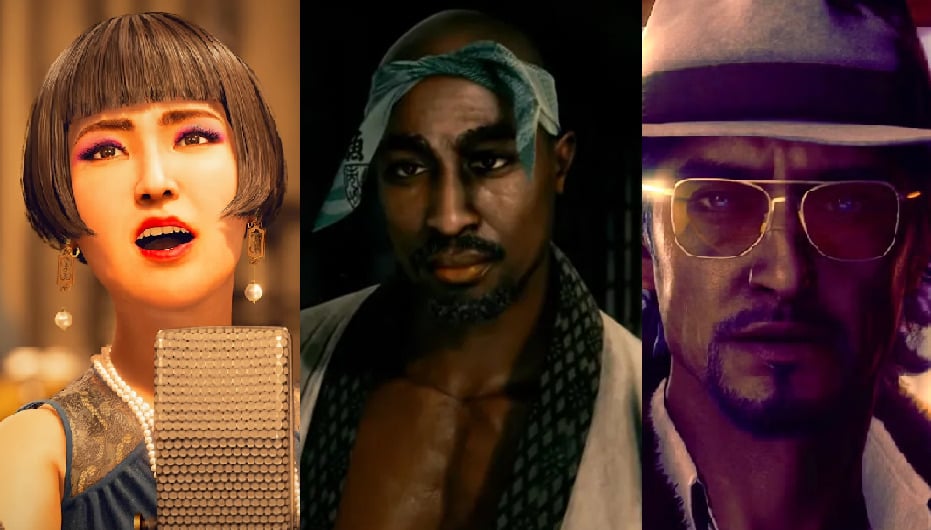
Stranger Than Heaven's decision to feature Tupac as a playable character has sparked debate within the gaming community, with the developers taking a bold and transparent approach to the controversial choice.
The game imagines Tupac as he might exist three decades after his 1996 death, positioning him alongside other characters like singer Ado and protagonist Makoto Daito. Rather than shy away from the creative liberty, the developers have been direct about their intent. They're not claiming historical accuracy or attempting to resurrect the rapper's actual legacy. Instead, they're explicitly framing this as speculative fiction, asking what Tupac could have become had he survived.
This transparency separates Stranger Than Heaven from the usual corporate fumbling around sensitive cultural figures in games. Most studios either avoid controversial figures entirely or awkwardly incorporate them without acknowledging the elephant in the room. Stranger Than Heaven chose a third path: acknowledge the strangeness of the choice and own it completely.
The approach reflects a broader shift in how indie and mid-tier developers approach storytelling. Rather than sanitize content or apologize for creative decisions before they're even scrutinized, teams are increasingly willing to sit with uncomfortable premises and let players decide if the execution justifies the concept.
Whether the execution actually works remains another question entirely. Putting Tupac in a game is inherently provocative. Some players will reject the premise outright on principle. Others might find the speculative approach respectful, even thoughtful, compared to straightforward exploitation. Still others will judge it purely on whether Stranger Than Heaven uses the character meaningfully within its narrative.
The honesty does matter, though. Games that treat real people and real tragedies with self-awareness and transparency earn more credibility than those that hide behind marketing speak or pretend controversy doesn't exist. Stranger Than Heaven isn't asking for forgiveness preemptively.