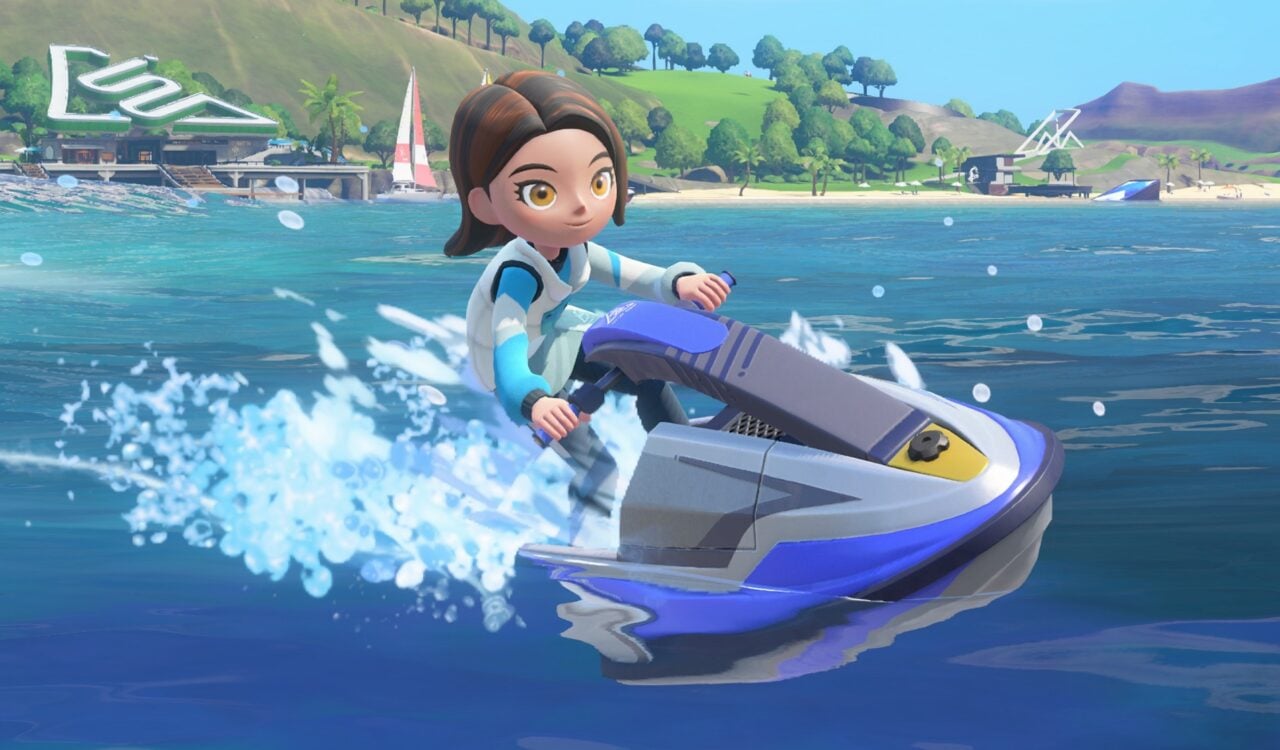
Nintendo's latest Sports Resort update introduced Sportsmates, a new character class designed to populate Wuhu Island alongside traditional Miis. The addition sparked immediate backlash from the game's community, which viewed the change as an unwelcome intrusion into established lore.
Players interpreted Sportsmates as colonizers invading sacred Mii territory. One vocal segment of the fanbase expressed frustration that the island, long depicted as a Mii-exclusive resort destination since the original Wii Sports Resort, now features these competing character models. Critics framed the update as cultural displacement, with some claiming Wuhu Island "has been ethnically cleansed."
The Sportsmates design philosophy attempted to diversify character representation in Sports Resort, offering players more customization options and visual variety beyond Mii avatars. Nintendo likely intended the feature as a quality-of-life enhancement, expanding the game's appeal to broader audiences seeking different character archetypes.
The fanbase reaction reveals how deeply invested players become in fictional worlds and their established rules. Wuhu Island carries nostalgic weight for Nintendo loyalists who grew up with Wii Sports Resort. The introduction of competing character types felt like a violation of that legacy, regardless of Nintendo's intentions.
This controversy underscores the delicate balance developers must maintain when updating beloved properties. Even cosmetic additions trigger passionate responses from communities that view themselves as stewards of a game's cultural identity. Nintendo faces pressure to either justify the Sportsmates inclusion through narrative integration or consider whether the addition strengthens or dilutes the experience longtime players value.
The situation also highlights how gaming communities create elaborate interpretations around simple gameplay systems. What Nintendo positioned as character variety became, in fan discourse, a territorial dispute within an imaginary space.