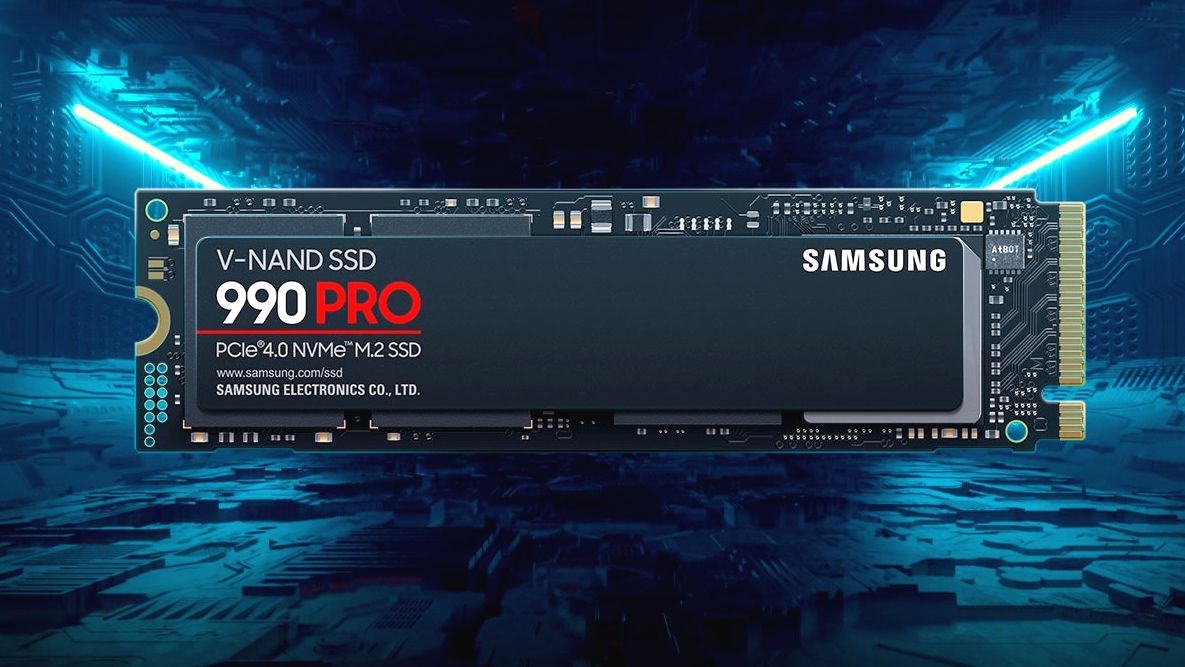
Louis Rossmann, the right-to-repair advocate and YouTuber, is suing Samsung over a defective 990 Pro SSD that the company refuses to replace, even though the drive remains widely available through retailers like Amazon.
The conflict centers on Samsung's denial of warranty service for a failed drive. Rossmann claims Samsung is using artificial scarcity arguments to avoid honoring its obligations, despite ample stock existing in the market. The price discrepancy adds fuel to his argument. The 990 Pro, once priced around $300, now commands roughly $949 on some platforms. Samsung's refusal to replace the drive at warranty rates while reselling units at inflated prices underscores the tension between manufacturer repair obligations and market realities.
Rossmann has built his reputation fighting corporate repair restrictions and warranty denials. His YouTube channel documents countless battles with tech companies over the right to fix devices. This Samsung case represents another front in his larger campaign against what he views as anti-consumer practices.
The lawsuit highlights a critical gap in consumer protection. Manufacturers often claim they cannot honor warranties when parts appear unavailable, yet supply chain pressures and artificial pricing inflate costs without actually reflecting genuine shortages. Samsung's position becomes harder to defend when inventory clearly exists at competitive retailers.
This case carries implications beyond Rossmann's personal dispute. It tests whether companies can use market conditions as justification for dodging warranty claims when those conditions stem from their own pricing strategies. The outcome could influence how manufacturers handle defective products during volatile hardware markets.
Rossmann's legal action signals that high-profile consumer advocates are willing to pursue formal litigation, not just public awareness campaigns. His platform amplifies disputes that might otherwise remain silent between individual customers and corporations. Samsung now faces both legal pressure and reputational risk from one of the tech community's most visible right-to-repair voices.