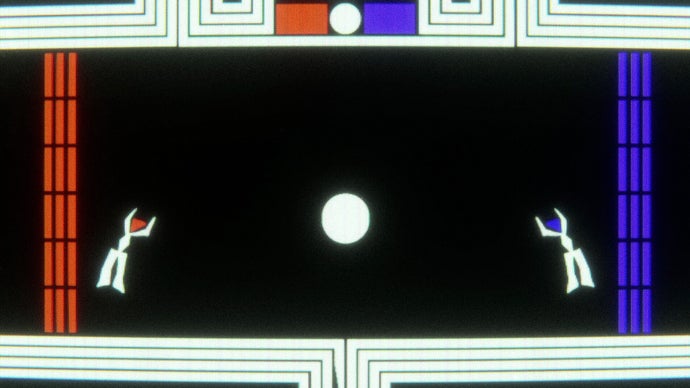
Bounce 2 exists on Steam as a retro-styled game with authentic Atari 2600 aesthetics and CRT interlacing effects. The game presents itself as a sequel to a 1983 Atari 2600 title called Bounce, described as a PONG killer that allegedly released during the video game crash of the early 1980s.
There's a problem. The original Bounce appears to be nonexistent. The game's marketing materials claim it was designed to challenge PONG's dominance on Atari hardware, but no verifiable record exists of this 1983 release. The supposed predecessor doesn't show up in Atari game libraries, historical databases, or preservation archives.
This raises interesting questions about Bounce 2's actual origins. Either the developer created a fictional backstory for marketing purposes, misremembered gaming history, or the original game was so obscure it vanished entirely from documentation. The latter seems unlikely given how thoroughly the Atari 2600 catalog has been catalogued by collectors and historians.
Bounce 2 itself is real and available on Steam. It adopts classic Atari visual conventions effectively, capturing that early-1980s arcade aesthetic that appeals to retro gaming enthusiasts. The game delivers legitimate gameplay alongside its nostalgic presentation.
This situation highlights how easily false gaming history can propagate, especially when attached to legitimate products. A catchy backstory about an obscure PONG competitor lost to the crash makes for compelling marketing. Players browsing Steam might not verify these claims, and the retro packaging lends credibility to fictional lore.
The incident serves as a reminder that even straightforward product information deserves scrutiny. Game developers sometimes invent or embellish origins to create narrative appeal. Before accepting any game's historical claims, checking Against established gaming archives and documentation proves