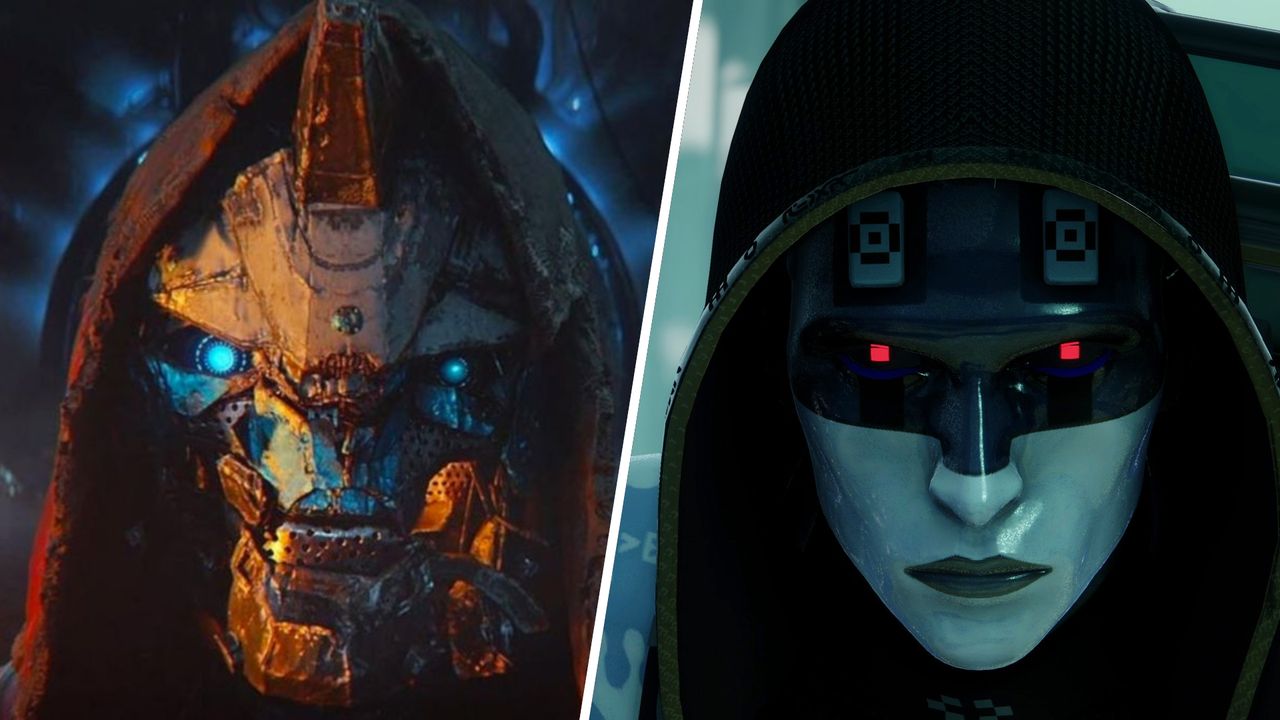
Bungie faced an existential crisis before Sony's 2022 acquisition, according to a former community manager. The studio operated in survival mode, running on fumes financially and creatively after years of supporting Destiny 2 while managing the franchise's notorious live-service demands.
The acquisition wasn't a strategic expansion for Sony. It was a rescue operation. Bungie had hemorrhaged players and revenue following Destiny 2's controversial sunsetting mechanics and the community backlash that followed. The studio's once-dominant position in the looter-shooter space eroded under mounting pressure to maintain seasonal content, balance PvP, and retain a dwindling playerbase.
Internal resources stretched thin. The team couldn't sustain both Destiny 2's live service model and develop new IP simultaneously. Layoffs rippled through the studio. The studio teetered on the brink of closure.
Sony's buyout in January 2022 for a reported three billion dollars stopped the bleeding temporarily. But the acquisition came with strings attached. Bungie lost operational independence. Sony's expectations for profitability collided with the studio's creative ambitions. The relationship deteriorated rapidly.
By 2024, Bungie laid off 220 employees—roughly 15 percent of its workforce. The studio cancelled Destiny 2 expansion content and pivoted toward smaller updates. PlayStation Studios leadership shifted. The partnership unraveled publicly.
This context reframes the narrative around Bungie's recent struggles. Yes, Sony pushed for results. Yes, corporate oversight strangled the studio's ability to innovate. But Bungie arrived at the negotiating table desperate, not empowered. The studio had no leverage.
The lesson: live-service games demand unsustainable resource allocation. Destiny 2 consumed everything Bungie had to give. The franchise's economic model—