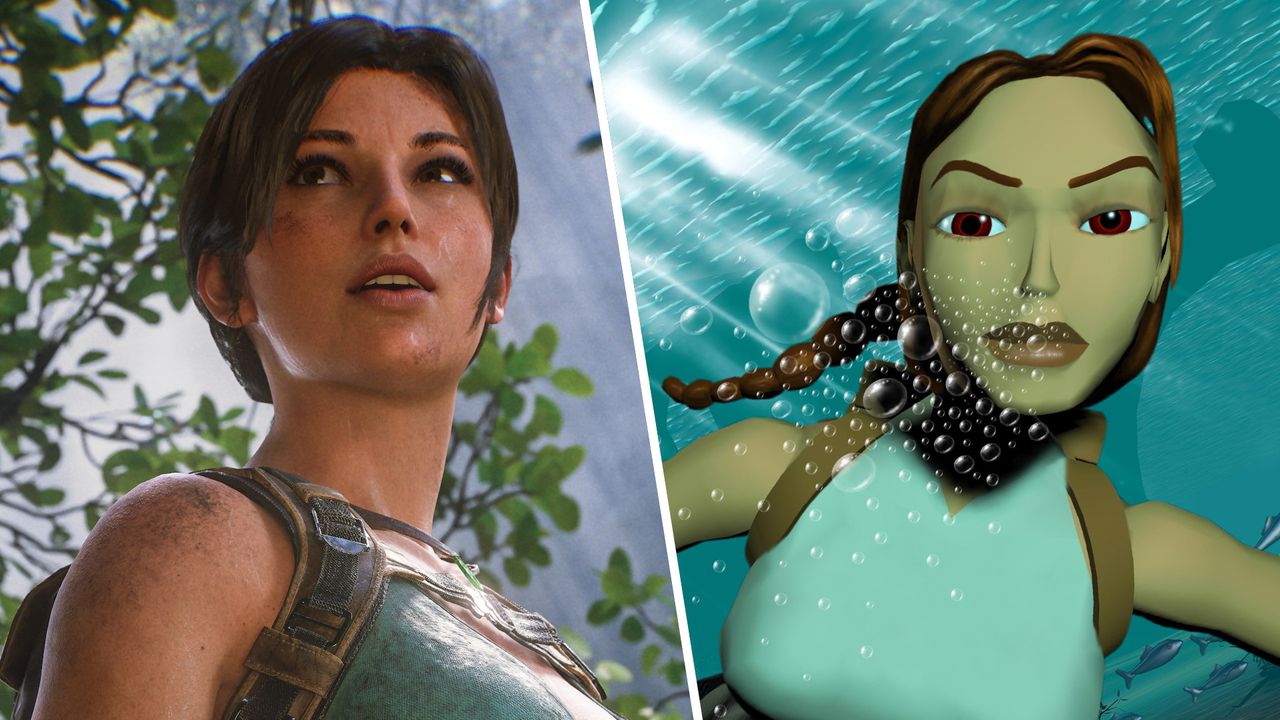
Crystal Dynamics faces an impossible task with any Tomb Raider remake. The 1996 original created an archetype so dominant that modern iterations can't escape its shadow, and attempting to recapture that lightning reveals the core problem: what made the first game revolutionary thirty years ago no longer defines what makes Tomb Raider work today.
The 1996 game didn't succeed because of graphics or cinematic storytelling. It succeeded because it offered something genuinely novel. Fixed camera angles that made navigation a puzzle. Platforming that demanded precision and spatial awareness. Exploration that rewarded curiosity without handholding. Those mechanics shaped an entire industry, but they've also become the game's defining legacy in a way that traps any remake.
When you attempt to modernize Tomb Raider, you inherit expectations built on nostalgia rather than actual mechanical design. Players remember the atmosphere, the adventure fantasy, Lara Croft as an icon. They don't necessarily remember the granular feel of jumping from ledge to ledge or the satisfaction of solving environmental puzzles without objective markers. Remakes try to deliver that classic feeling while using contemporary design language. The result satisfies neither audience. Longtime fans want the original experience, which feels dated. New players encounter mechanics that feel disconnected from modern AAA design.
The real issue isn't execution quality. It's that the original Tomb Raider's distinct identity has been so thoroughly absorbed into industry standards that a faithful remake reads as generic. The very features that made it distinct now feel like templates. Meanwhile, the aspects that made it legendary. that intangible sense of adventure and discovery. can't be recreated just by updating the visuals and controls.
This doesn't mean remakes are impossible. It means Tomb Raider remakes specifically confront a design paradox. The game's influence became its prison. Any