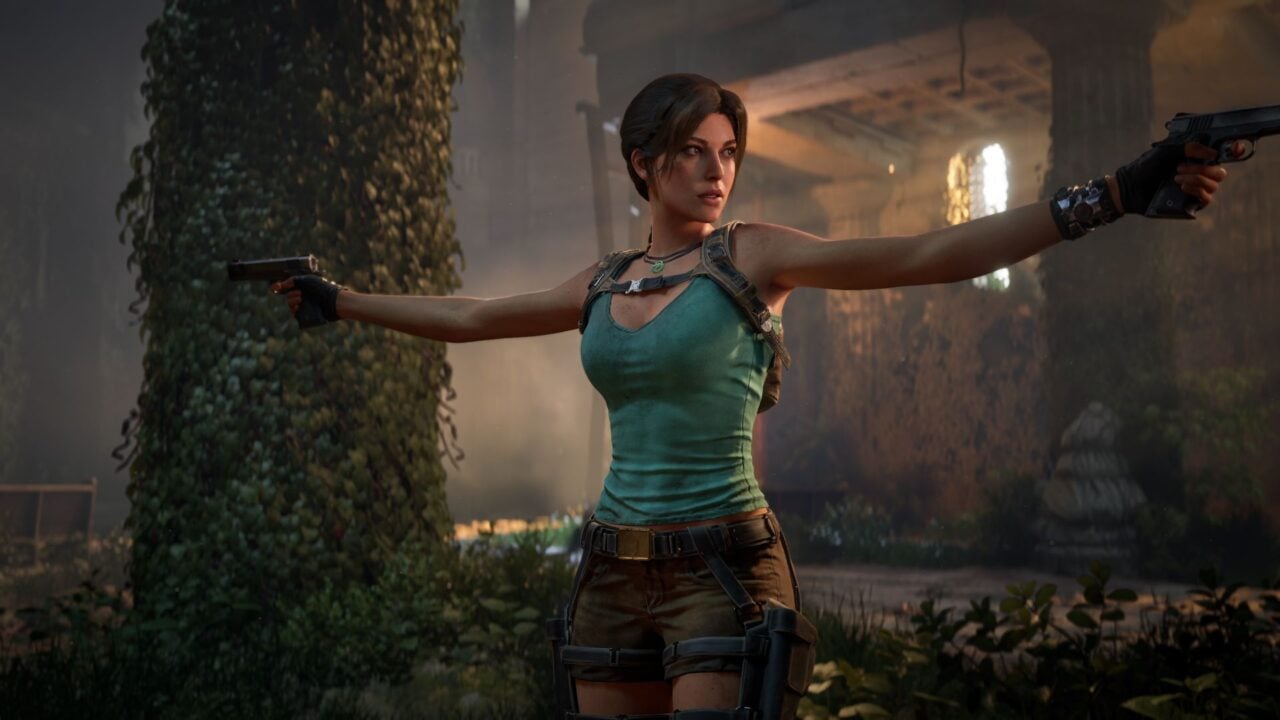
A Tomb Raider developer faced public scrutiny during a recent presentation when asked a direct question about the franchise's direction and couldn't provide a clear answer. The awkward moment underscores the tension between developer transparency and corporate messaging in modern game publishing.
The exchange occurred during a promotional event where the developer was discussing the future of the Tomb Raider series. When pressed on specifics regarding gameplay direction, narrative focus, or release timelines, the dev's response became evasive. The hesitation and non-committal language played poorly with observers, turning what should have been a confident pitch into an uncomfortable public relations moment.
This reflects a broader industry problem. Game developers often operate under strict NDAs and corporate guidelines that prevent them from speaking freely about projects in development. When questions drift into territory they're not authorized to address, they're left fumbling for diplomatic answers that satisfy neither the audience nor the interviewer.
The moment gained traction online because it exposed the gap between what developers might personally want to share and what publishing executives permit them to reveal. Players increasingly demand transparency about upcoming games. They want clarity on features, timelines, and creative decisions. When developers can't deliver that honesty, it breeds frustration and skepticism.
For the Tomb Raider franchise specifically, this stumble matters. The series has faced criticism in recent years about its identity. The recent rebooted trilogy successfully pivoted Lara Croft toward action-adventure gameplay, but questions linger about where the franchise goes next. Players want answers. They want to know if future installments will continue this direction, return to puzzle-focused exploration, or attempt something new entirely.
The incident serves as a reminder that pre-planned talking points and corporate caution often backfire when developers encounter genuine audience interest. Authenticity resonates. Evasion breeds distrust. As the industry matures, studios that empower