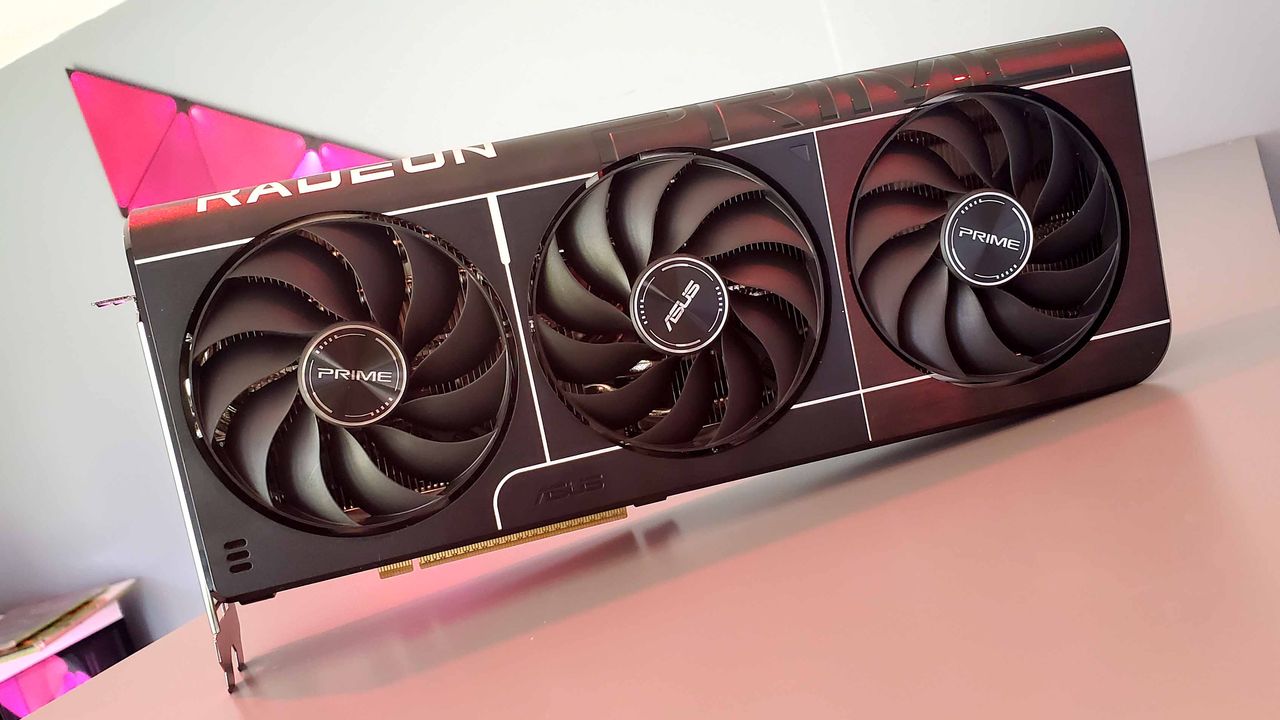
GPU shipments remain stable in the current market cycle, but Nvidia continues its stranglehold on discrete graphics dominance while AMD fails to gain meaningful ground.
Recent market data reveals shipment volumes have plateaued rather than collapsed, signaling that the post-AI boom correction hasn't triggered a severe demand cliff. However, the distribution heavily favors Nvidia, which maintains its commanding position across gaming, data center, and professional markets. AMD's discrete GPU segment shows no signs of erosion into Nvidia's territory, despite releasing competitive products like the RDNA 3 architecture cards.
The stability masks an uncomfortable truth for AMD. While Nvidia's GeForce RTX and RTX AI series command retail shelves and gaming rigs, AMD's Radeon lineup struggles for consumer mindshare and OEM adoption. Data center remains almost entirely Nvidia's domain, with CUDA lock-in preventing meaningful competition despite AMD's EPYC CPUs gaining traction in servers.
Nvidia's RTX 40-series and incoming next-gen architectures continue capturing gaming headlines. AMD's competing cards offer better value propositions on paper, yet market share metrics show minimal improvement. OEM partnerships, driver maturity, and ecosystem entrenchment all work against AMD's challengers.
The "quiet before the storm" framing suggests uncertainty about what comes next. Next-generation architectures from both camps will launch within months, and Intel's Arc GPU initiative remains a wild card, though currently struggling against both incumbents. Windows gaming still heavily favors Nvidia's driver support and widespread game optimization.
For now, shipment stability indicates no dramatic upheaval in the near term. GPU demand outside gaming remains robust, with AI training and inference keeping data center orders strong. The problem for AMD isn't collapsing shipments; it's the inability to convert that stable demand into actual market share gains.
Nvidia