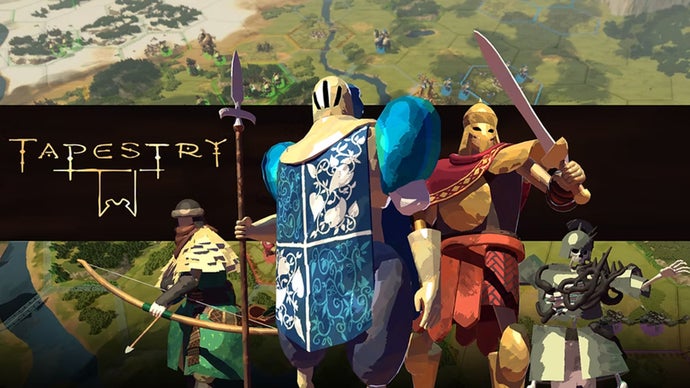
Tapestry brings multiplayer into grand strategy territory with a fresh visual twist. The turn-based game pits four factions against each other in painted, choppy-animated battles that prioritize planning over constant action. Players chart their victory conditions before matches begin, shifting focus from real-time reflexes to strategic plotting.
The painterly art direction sets Tapestry apart from the grimdark aesthetics dominating the genre. Choppy character animations and watercolor-style environments create a distinct identity that refuses the visual brutalism most strategy titles embrace. This choice signals developer intent: Tapestry targets players seeking methodical thinking wrapped in accessible presentation.
Multiplayer grand strategy remains underserved. Most titles in the space favor single-player campaigns or asynchronous online modes. Tapestry's four-player competitive structure changes that equation, forcing simultaneous strategy against human opponents instead of predictable AI patterns. Turn-based systems accommodate different play speeds, letting casual strategists hang alongside hardcore planners without frustrating waits.
The focus on pre-match plotting reveals Tapestry's core design philosophy. Rather than improvising mid-battle, players lock in long-term strategies upfront. This reduces reactive moment-to-moment gameplay and pushes decision weight toward planning phases. It's a bold move for multiplayer, where adaptability typically matters most. Success depends on whether planning depth rewards clever early decisions or punishes inflexible players who encounter unpredicted opposition.
The indie strategy space explodes with competent titles yearly. Tapestry competes against established franchises like Total War and Crusader Kings, plus emerging indie darlings like Wildermyth and Valiant Hearts. Its visual identity and multiplayer focus carve a niche, though execution determines whether it captures the audience craving grand strategy without the 200-hour time investment.