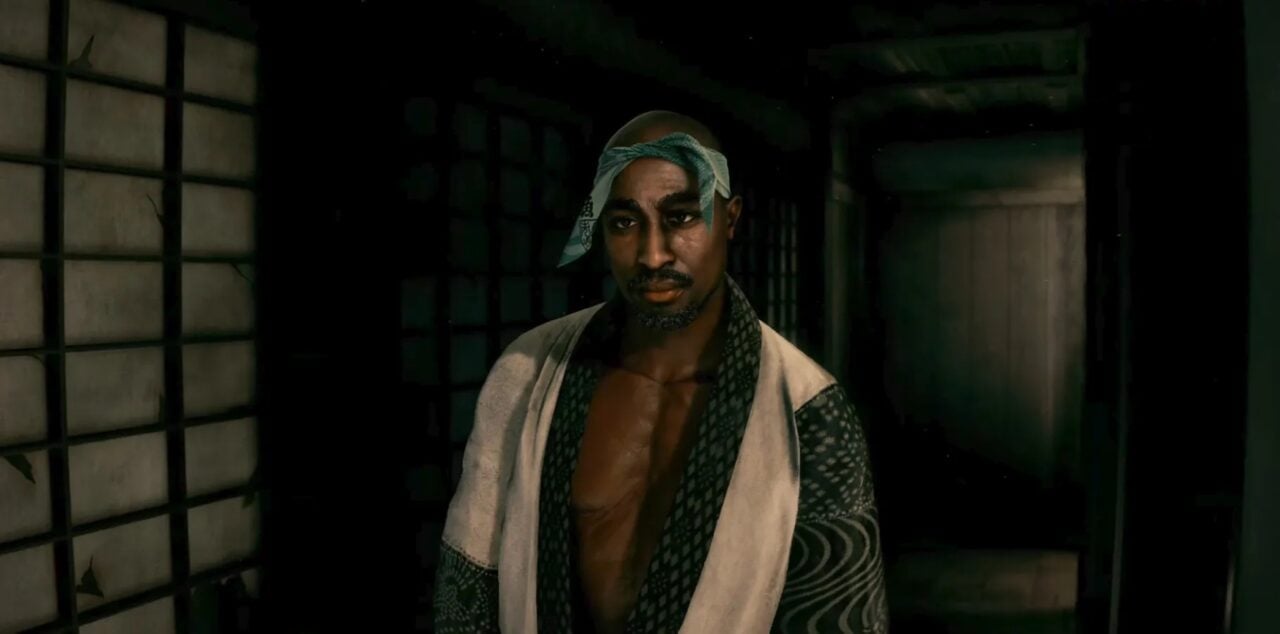
Stranger Than Heaven developers defended their decision to include a Tupac Shakur character in the game, calling the addition a "good idea" during recent statements to the press. The developers incorporated the late hip-hop legend into their title, sparking discussion around how games handle real-world figures and cultural icons.
The studio positioned the inclusion as a natural fit for the game's creative direction and thematic elements. While the developers didn't elaborate extensively on how Tupac integrates into Stranger Than Heaven's narrative or gameplay, they stood firm on the choice, suggesting it aligns with their vision for the project.
This move reflects a broader trend in gaming where developers pursue licensing deals for recognizable cultural figures to boost authenticity or draw attention. Games like Grand Theft Auto have long featured real musicians and celebrities as part of their world-building. However, licensing deceased artists raises questions about representation, estate involvement, and whether games can meaningfully incorporate historical figures.
The Tupac inclusion in Stranger Than Heaven appears designed to enhance the game's cultural resonance, particularly if the title draws from hip-hop culture or 1990s-themed narratives. Developer confidence in this choice suggests they've secured proper licensing and believe players will embrace the reference rather than reject it as opportunistic.
Stranger Than Heaven hasn't commanded significant mainstream attention prior to this announcement, making the Tupac reveal a notable marketing moment. The decision shows indie and mid-tier studios increasingly willing to pursue high-profile cultural partnerships to differentiate their titles in a crowded market.
Whether players respond positively depends on execution. Poor implementation of real figures can feel hollow or exploitative. Strong integration into story and world-building converts licensing into meaningful content. The developers' conviction suggests they've taken care with the integration, though player reception remains the final verdict.