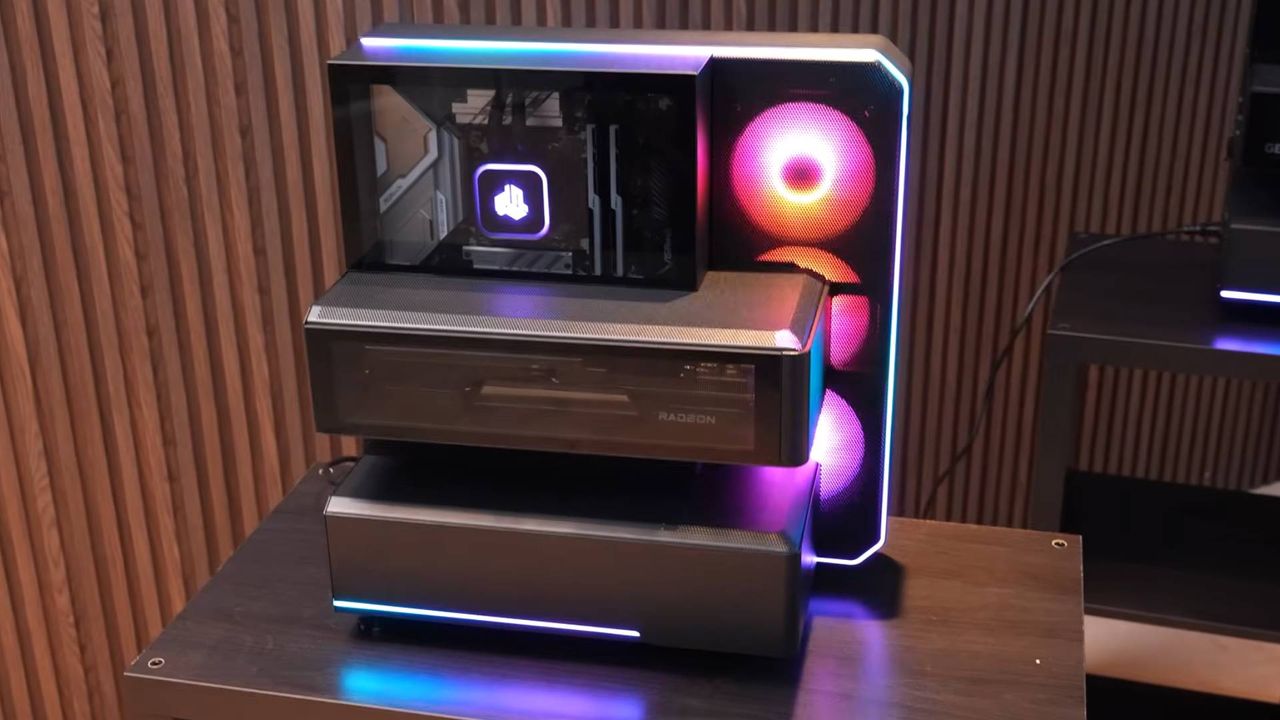
Phanteks unveiled a new PC case design that prioritizes thermal efficiency over the transparent glass aesthetic that dominates the current market. The case features a dedicated compartment for graphics cards, separating the GPU from the main chassis airflow to manage heat more effectively.
The trend toward tempered glass "fish tank" designs has dominated PC building for years, with manufacturers prioritizing visibility of components over practical cooling solutions. Phanteks breaks from this convention by reimagining case architecture around temperature management. The dedicated GPU chamber allows independent airflow paths, preventing hot air from graphics cards from recirculating through CPU cooling zones.
This design philosophy addresses a real problem in modern PC building. High-end graphics cards like the RTX 4090 generate substantial heat output, often exceeding 450 watts. Cramming these components into shared chassis spaces creates thermal conflicts between components competing for cool air. Phanteks' compartmentalized approach isolates the GPU, allowing builders to optimize cooling strategies for each component independently.
The case also signals a broader shift in PC hardware design priorities. While RGB lighting and tempered glass panels sell cases to enthusiasts, thermal performance remains the limiting factor for performance extraction. Overclockers and content creators increasingly value cooling capability over aesthetics, and Phanteks recognizes this market segment.
The move challenges the aesthetic dominance established by cases like the NZXT H510 Flow and Lian Li Lancool series. Those designs balance visibility with airflow, but remain fundamentally compromised by their visual-first approach. Phanteks opts for functionality, suggesting the PC enthusiast community may be reconsidering what they actually want from their cases.
Whether this design gains traction depends on the market's willingness to sacrifice component visibility for better temperatures. Builders obsessed with showcase builds may ignore the case entirely. But for those chasing performance and running demanding workloads, a case engine