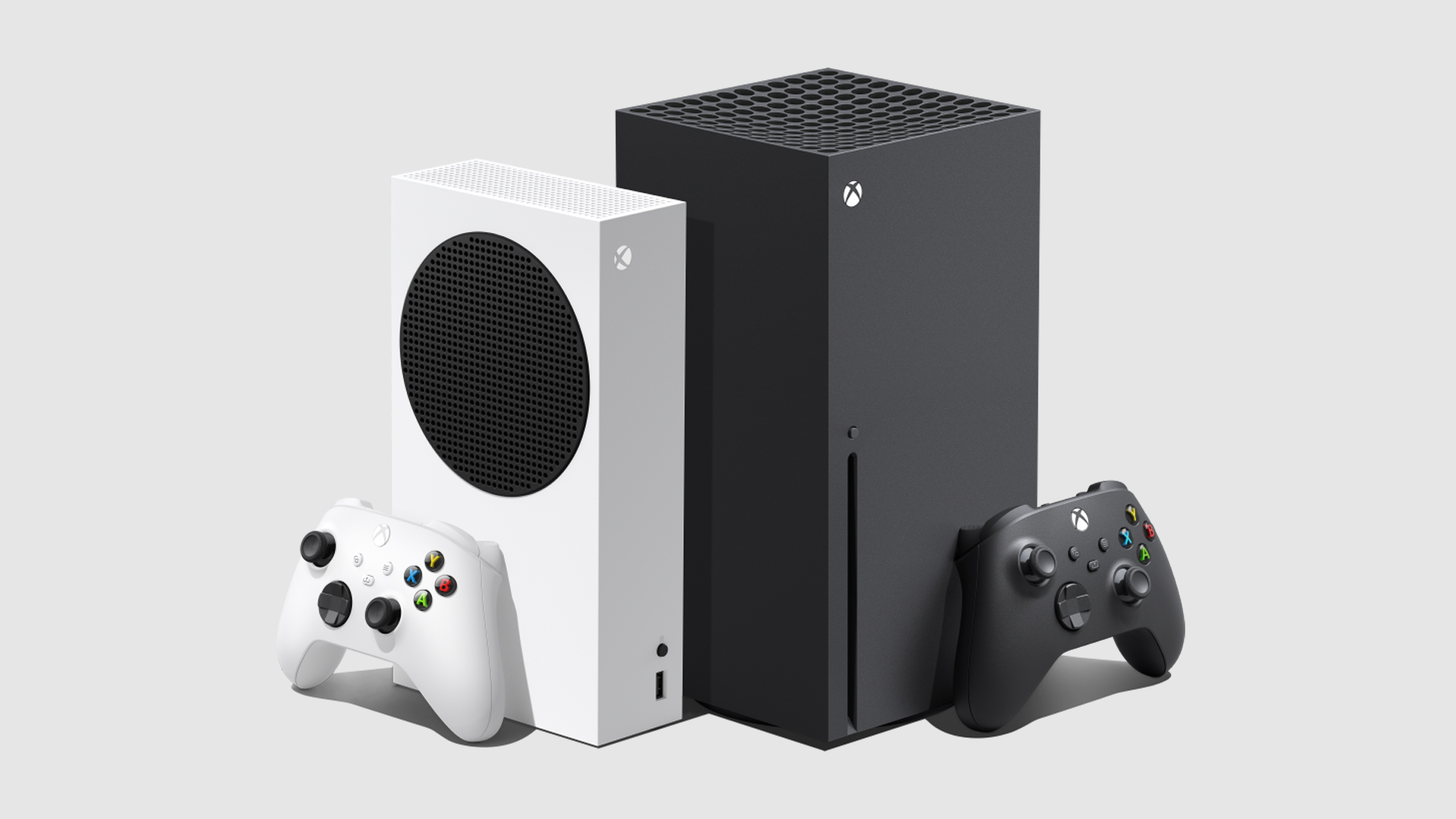
Xbox leadership is questioning the traditional console business model. Asha Sharma, speaking on behalf of Xbox leadership, argues that premium, high-performance hardware alone cannot sustain the market long-term. The concern centers on affordability. Consumers increasingly cannot justify spending thousands of dollars per console generation, Sharma stated.
This reflects a broader shift in Xbox's strategy under Phil Spencer's leadership. Microsoft has already moved away from exclusive hardware reliance. Game Pass dominates the company's messaging now, not console sales figures. The service delivers games across multiple devices, from smartphones to PCs to older Xbox hardware.
The current generation illustrates the problem. PlayStation 5 and Xbox Series X both launch at $500, but total cost climbs with games, subscriptions, and accessories. New titles regularly cost $70. Over a five to seven year cycle, a single console user drops over $1,500 easily.
Sharma's comments suggest Xbox will lean harder into subscription services, cloud gaming, and cross-platform play rather than chasing raw performance specs. This strategy differs fundamentally from Sony's approach, which emphasizes exclusive AAA experiences tied to PlayStation hardware.
Mobile gaming and free-to-play models have proven that players embrace lower-friction entry points. Fortnite, Call of Duty Warzone, and Helldivers 2 thrive without $500 hardware barriers. Xbox appears ready to follow that blueprint.
The shift carries risk. Console manufacturers have built entire ecosystems on premium hardware margins. Retailers depend on console sales. Developers budget around specific technical capabilities. Dismantling that model takes years.
But the math supports Sharma's argument. Console install bases have stalled compared to mobile. The average gamer age has risen; disposable income matters more. Younger players gravitate toward cheaper entry points. Microsoft's pivot acknowledges these realities. Whether other publishers follow