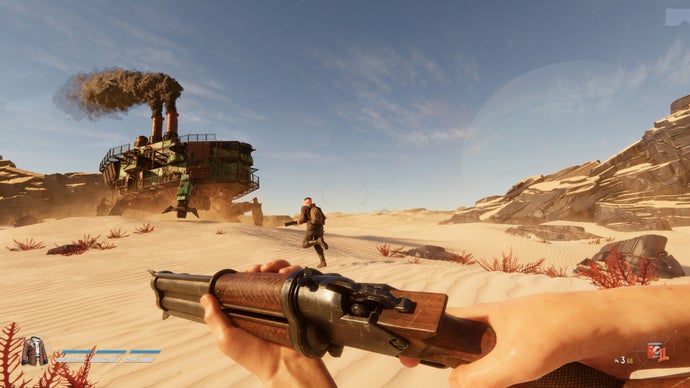
Sand: Raiders of Sophie, the extraction shooter from Hologryph and TowerHaus, won't launch tomorrow as planned. The developers announced the delay just hours after confirming release times for June 10th.
The studio attributed the postponement to server issues during stress testing. The game, set in a desert environment where players command a steampunk mobile fortress, faced unexpected load problems that forced the team to push back the release window.
Hologryph and TowerHaus didn't announce a new launch date yet. They indicated they need more time to stabilize infrastructure before opening the game to the broader player base. The extraction shooter model demands robust servers to handle concurrent players dropping into zones, extracting loot, and managing the fortress mechanics that define the experience.
This marks a common headache for online-focused releases. Games like Escape from Tarkov, Hunt: Showdown, and other extraction shooters have all faced server strain at launch despite developer preparation. The format's appeal drives high concurrent player counts that stress test environments rarely predict accurately.
Sand: Raiders of Sophie arrives on Steam with a distinctive blend of extraction gameplay and persistent fortress mechanics. The steampunk aesthetic and fortress-building layer separate it from competitors in an increasingly crowded extraction shooter space. Player interest appears strong enough to overwhelm the test servers, which technically validates demand but complicates launch logistics.
The delay demonstrates developer accountability. Hologryph and TowerHaus caught the problem before release rather than letting players face widespread server queues or disconnects. That approach builds goodwill but frustrates the community waiting for the game.
Extraction shooters require stable servers from day one since wipe mechanics and loot persistence punish connection failures hard. A botched launch destroys player trust faster in this genre than others. The decision to delay protects the game's long-term viability despite disappointing the