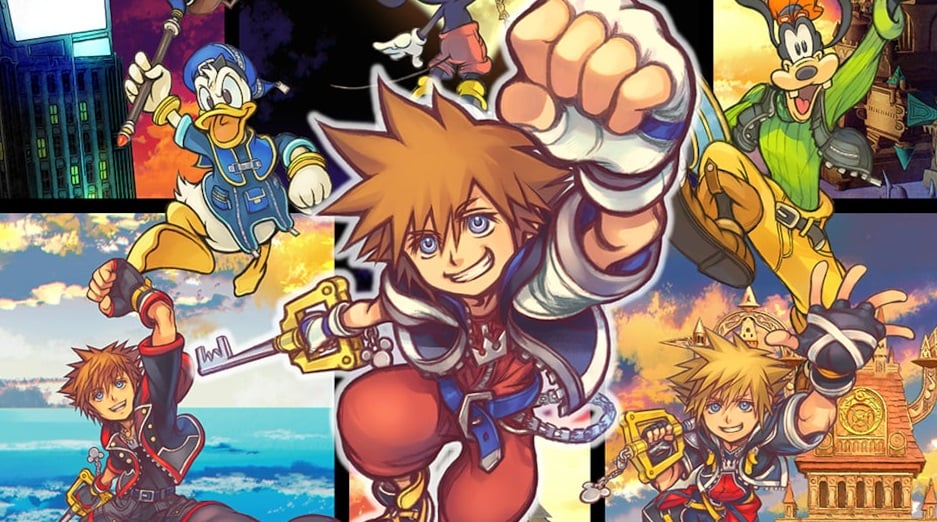
Kingdom Hearts fans have identified what they believe is AI-assisted artwork on the box art for an upcoming Kingdom Hearts collection, sparking debate over Square Enix's use of generative AI in official marketing materials.
The controversy centers on the collection's cover art, which community members claim shows signs of AI manipulation applied to original artwork by Tetsuya Nomura, the series creator. Fans pointed to anatomical inconsistencies, unusual hand positioning, and telltale digital artifacts commonly associated with generative AI tools. The character rendering appears to blend Nomura's distinctive character design style with AI-generated elements, creating an uncanny hybrid.
Square Enix has not officially commented on whether AI played a role in the box art's creation. The publisher's silence has left fans speculating about the company's position on using these tools for official releases. This incident arrives amid broader industry tension surrounding AI in game development, art creation, and marketing.
The timing matters. Square Enix faces scrutiny from players and industry observers over generative AI adoption. Major publishers have begun experimenting with AI for various tasks, from asset generation to marketing materials, but transparency remains minimal. When consumers discover potential AI assistance without disclosure, trust erodes quickly.
Kingdom Hearts communities on Reddit and Twitter dissected the artwork extensively, comparing it to Nomura's established style and highlighting where AI interpolation appears most obvious. Several fans expressed frustration, arguing that original art from a legendary character designer should stand on its own without digital enhancement or replacement.
This discovery reflects a growing player concern. Fans increasingly scrutinize official materials for signs of AI generation, particularly when human artists could have created the work. Kingdom Hearts' passionate fanbase has strong opinions about Nomura's artistic vision. If Square Enix applied AI to his work without acknowledgment, it represents both a creative slight to the artist and a lack of transparency with consumers.
Whether