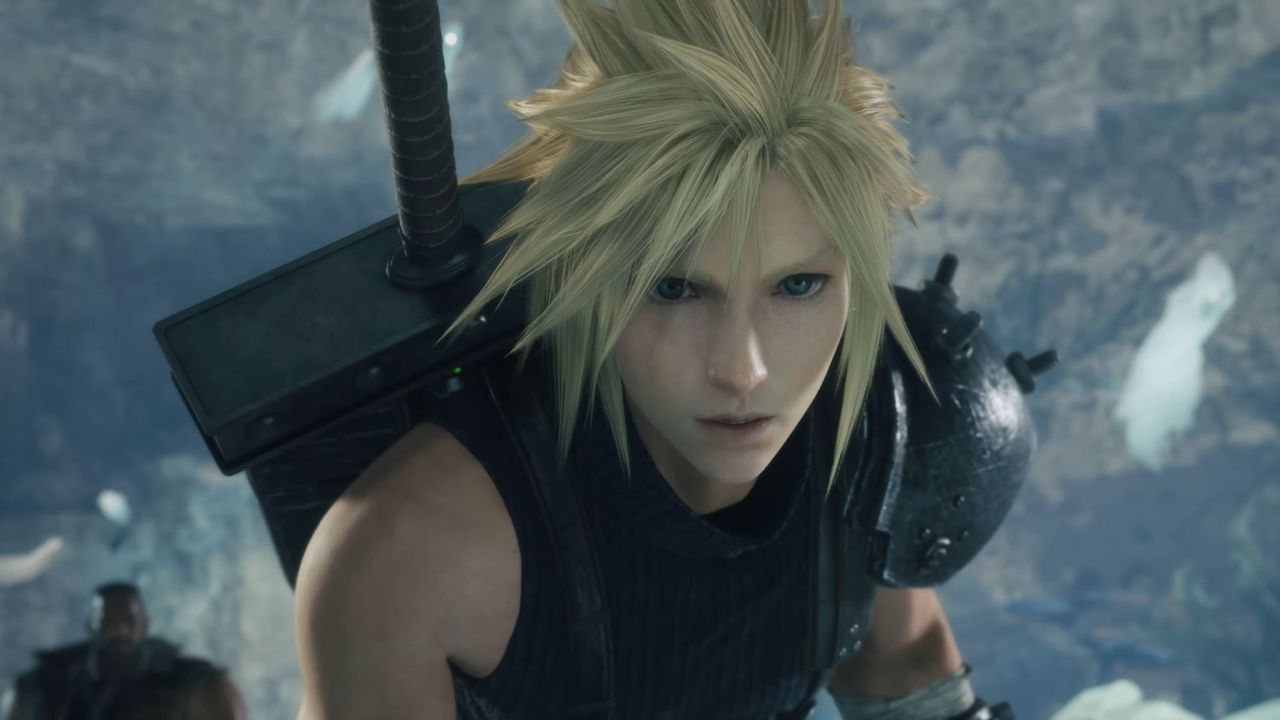
Square Enix has officially confirmed Final Fantasy VII Revelation as the third and final installment of the Remake trilogy, closing the story that began with 2020's Final Fantasy VII Remake and continued through 2024's Final Fantasy VII Rebirth. The game returns players to the world of Midgar and beyond, picking up after the events of Rebirth.
Revelation positions itself as the trilogy's conclusion, delivering the endgame confrontations fans have waited decades to experience in modern form. The teaser references legendary superboss encounters like Emerald and Ruby Weapon, the notorious optional bosses from the original 1997 game that challenged players with extreme difficulty spikes. Square Enix's inclusion of these battles signals the studio plans to translate the complete original experience into its expanded Remake narrative.
The Remake trilogy has taken significant departures from the source material, expanding story beats across three games rather than one. Rebirth released as a PlayStation 5 exclusive in February 2024, while the original Remake came to PC in late 2023 after its initial PS4 exclusivity window. Revelation's platform strategy remains unconfirmed, though the trilogy's pattern suggests a PlayStation launch window first.
Fan reception for the Remake series has remained strong despite the narrative liberties. Rebirth sold over 3.5 million copies in its opening month, demonstrating continued audience investment in Square Enix's vision. The expanded storyline has generated debate within the community about pacing and character development, yet commercial success indicates most players embrace the studio's approach to reimagining this cultural touchstone.
Revelation arrives at a moment when the gaming industry sees fewer complete remakes of this magnitude. The trilogy represents a massive financial and creative commitment from Square Enix. By committing to a definitive third chapter, the studio signals confidence in player appetite for the complete