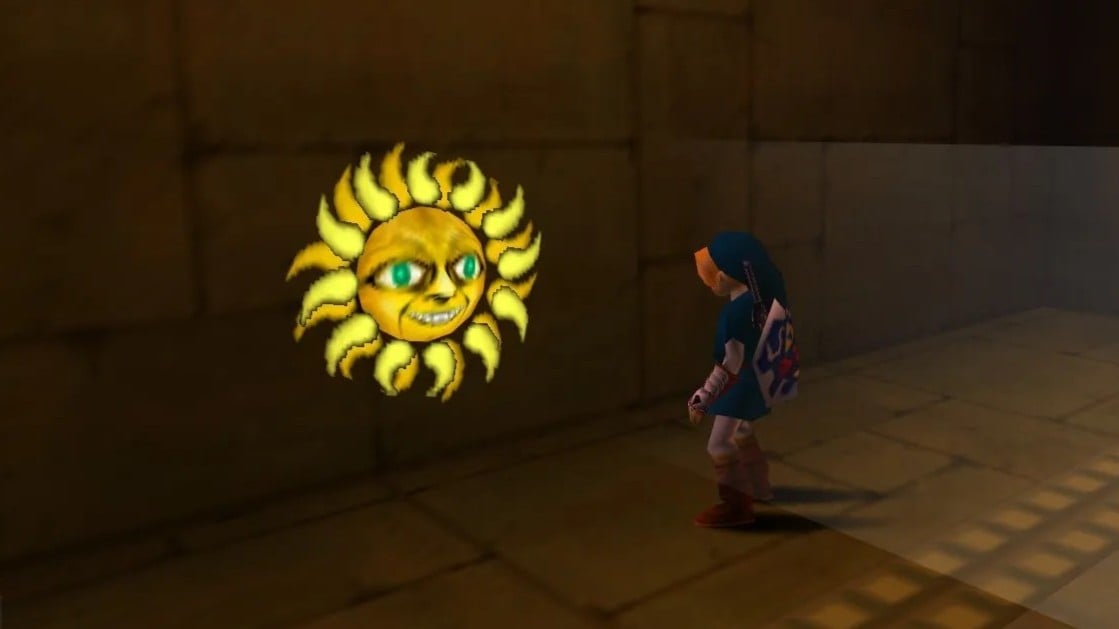
Nintendo confirmed development of an Ocarina of Time remake, and fans are already fixating on one thing: the weird little guys. The original 1998 Nintendo 64 classic introduced dozens of oddball NPCs that defined a generation's sense of gaming humor, and players want to see how modern graphics engines will render these creatures.
The remake will modernize Ocarina of Time's visuals while keeping the core adventure intact. This means characters like the Skull Kid, the Poe Collector, the Gerudo thieves, and various talking objects get a visual overhaul. The jump from N64's polygon counts to current-generation fidelity transforms these quirky designs from blocky approximations into fully realized weird little dudes.
The anticipation speaks to something specific about Ocarina of Time's legacy. The game balanced epic adventure storytelling with absurdist character design. A flower pot that talks. A ghost with a collection obsession. A windmill man with a recording habit. These characters stuck with players for nearly three decades precisely because their designs felt slightly off, slightly unsettling, but memorable.
Modern remakes of classic games face pressure to preserve this exact balance. Too much realism kills the charm. Too much stylization risks missing the original's tone. Nintendo's approach to the Link's Awakening remake on Switch demonstrated competence here, using a toy-like art direction that preserved quirk while upgrading visuals.
The Ocarina of Time remake represents a significant opportunity for Nintendo to reconnect players with one of gaming's most influential titles. Younger audiences who never experienced the original on cartridge get their first chance. Players who logged thousands of hours decades ago revisit Hyrule with current expectations for graphics, performance, and quality of life improvements.
The real test comes down to execution. Can the remake preserve the weird little guys' essential weirdness while making