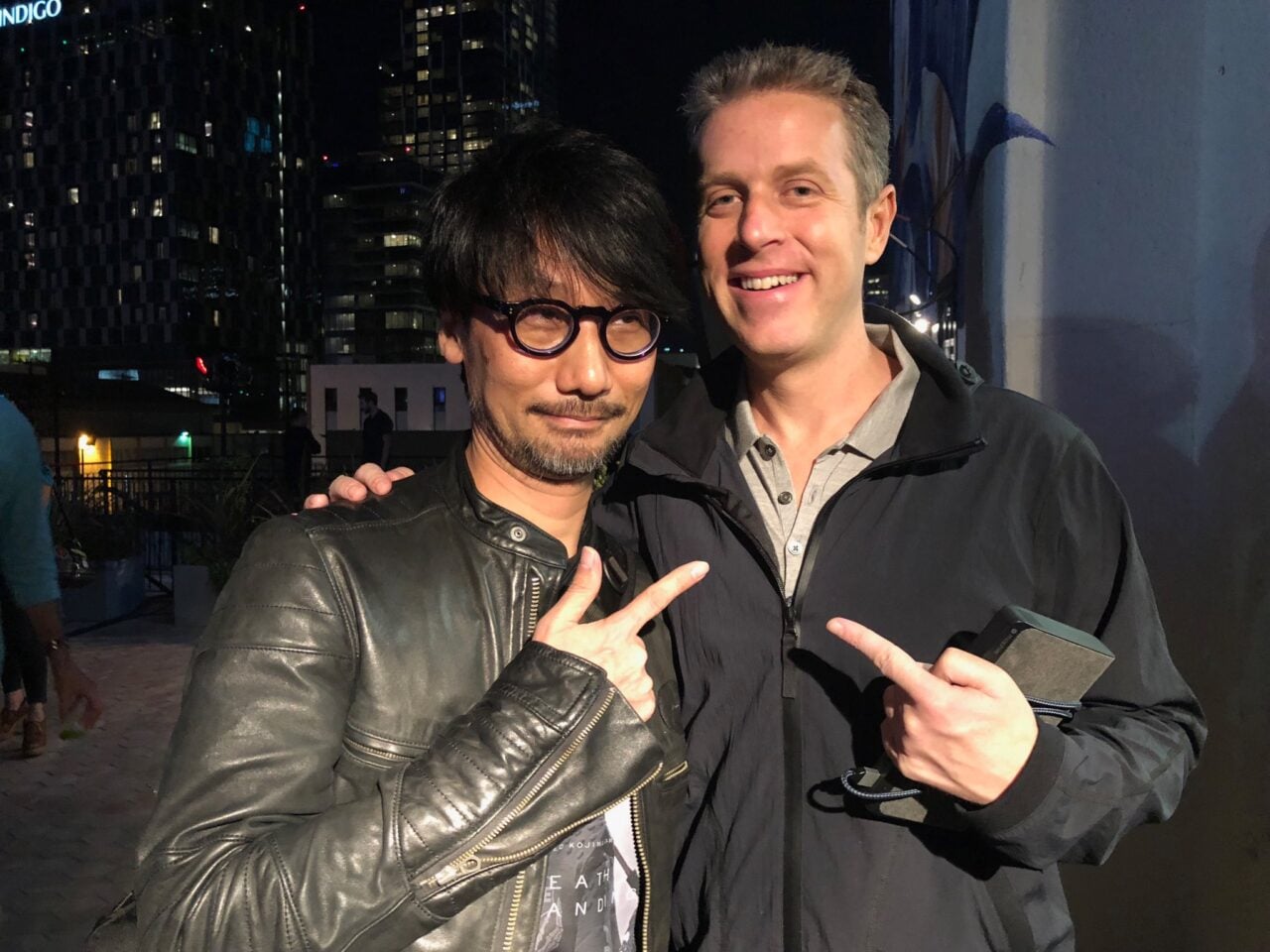
The internet erupted with speculation that Hideo Kojima and Geoff Keighley had ended their professional relationship after noticing the two figures were absent from each other's recent public appearances and social media interactions. Fans and industry observers began circulating the "divorce" narrative across social platforms, treating the perceived distance between the legendary Metal Gear Solid creator and the Game Awards host as genuine conflict.
Keighley addressed the speculation directly, clarifying that no rift exists between himself and Kojima. The relationship between the two remains intact. Keighley has been a consistent supporter of Kojima's work, particularly Death Stranding and its upcoming sequel, Death Stranding 2. The Game Awards have regularly featured Kojima Productions announcements and reveals.
The speculation likely stems from changing industry dynamics and scheduling. Major game studios rotate their presence at industry events. Kojima Productions has pursued independent directions under its new banner since splitting from Konami in 2015. The studio's promotional strategy doesn't necessarily center on every major event appearance.
Social media algorithms and fan community behavior amplified minor observation into dramatic narrative. When two prominent figures don't appear together or interact publicly for a period, engaged communities construct explanations. The absence of evidence becomes evidence of conflict in internet culture.
Keighley remains one of gaming's most visible industry figures through the Game Awards, which he created and hosts annually. Kojima stands as one of the medium's most celebrated auteurs. Both have incentives to maintain their professional relationship. Kojima's projects continue receiving prominent showcasing opportunities, and Keighley's platform benefits from featuring cutting-edge creative work.
The episode reflects how social media transforms perception into narrative. Without official statements, engaged communities fill information gaps with speculation. Keighley's clarification should settle the matter, though internet culture tends to preserve such drama in collective memory long after debunking occurs.