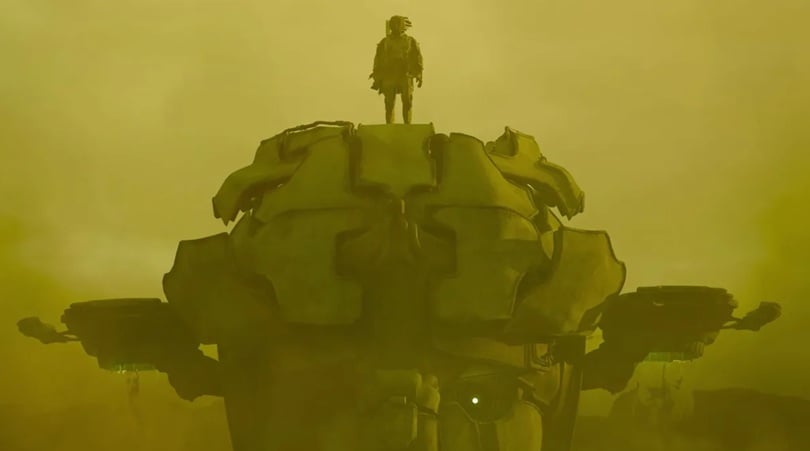
Fumito Ueda, the legendary director behind Shadow of the Colossus and The Last Guardian, has made a clear statement about his new independent studio's development philosophy. Ueda's team will not use generative AI in game creation, a stance that directly contrasts with industry-wide adoption of AI tools across major publishers and developers.
The announcement arrives as the gaming industry faces mounting player backlash over AI implementation. Studios have increasingly turned to generative AI for asset creation, voice work, and design assistance. Players and developers alike have voiced concerns about job displacement, ethical sourcing of training data, and the homogenization of creative output. This resistance has intensified across social media and gaming communities.
Ueda's position carries weight given his uncompromising track record with artistic vision. His games prioritize handcrafted, deliberate design over efficiency. Shadow of the Colossus remains celebrated for its meticulous boss encounters and environmental storytelling. The Last Guardian pushed technical limits through painstaking animation work on Trico, the creature companion.
By rejecting AI, Ueda signals that his new studio will maintain that philosophy. His stance becomes a counterpoint to industry trends where AI adoption accelerates. Publishers like Take-Two Interactive and Activision Blizzard have integrated AI tools into workflows. Electronic Arts and others have publicly committed to expanded AI use despite developer concerns.
The backlash matters commercially. Players increasingly scrutinize developer practices, with some avoiding games built using generative AI. This creates market space for studios taking the opposite approach. Ueda's declaration positions his independent studio as a destination for players skeptical of AI-generated content.
Whether this becomes industry-wide pushback or niche positioning remains unclear. Ueda's reputation gives his choice credibility that smaller studios might lack. As major publishers continue AI integration, his refusal to follow signals that