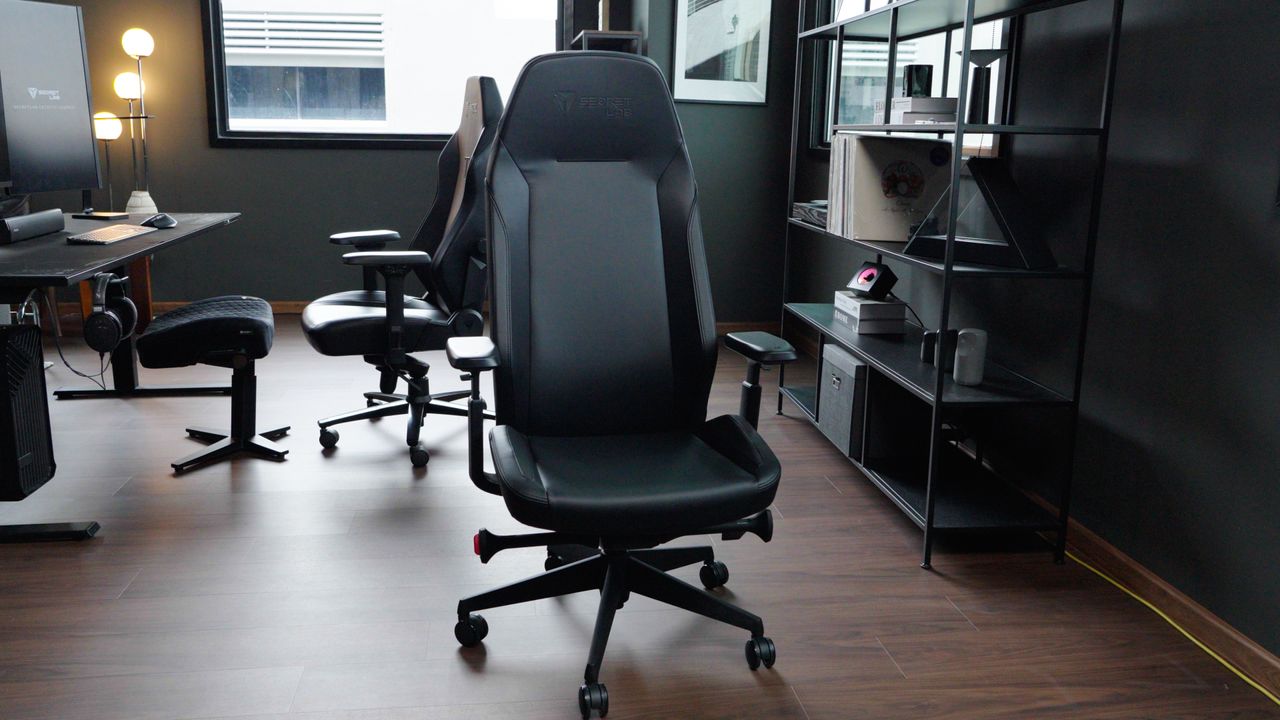
Secretlab launches the Atlas, a new gaming chair that undercuts its flagship Titan Evo on price and footprint. The entry-level model starts at $499, positioning it as an accessible alternative for players unwilling to spend the premium $1,000-plus price tag on the Titan Evo.
The Atlas ditches some of the Titan Evo's bulk. Secretlab engineered a slimmer profile without sacrificing the ergonomic support gamers expect from the brand. Early impressions suggest comfort remains intact after extended sitting sessions, a critical factor for 8-10 hour gaming marathons or content creation work.
This move reflects Secretlab's push to dominate multiple price tiers in the gaming chair market. Herman Miller's Gaming Chair sits around $1,500. Autonomous and other competitors occupy the $600-$900 range. Secretlab now covers both the premium and mid-tier segments.
The chair market has heated up considerably. Brands recognize that gamers view their setup as an investment. Back pain and posture issues matter when you're grinding ranked matches or streaming for hours. Gaming chairs evolved from pure aesthetics into legitimate wellness products.
Secretlab's dual-chair strategy mirrors what successful gaming peripheral makers do. Corsair sells everything from $60 keyboards to $300 mechanical switches. Razer operates across price points. The goal stays the same. capture market share at entry-level, then upsell customers into premium products as they invest more deeply in gaming.
The Atlas targets players building their first serious setup or upgrading from cheap office chairs. At $499, it positions well against brick-and-mortar alternatives like Staples gaming offerings. Secretlab's reputation for build quality and long warranties gives the Atlas credibility its competitors struggle to match.
Comfort matters in esports training and casual play alike.