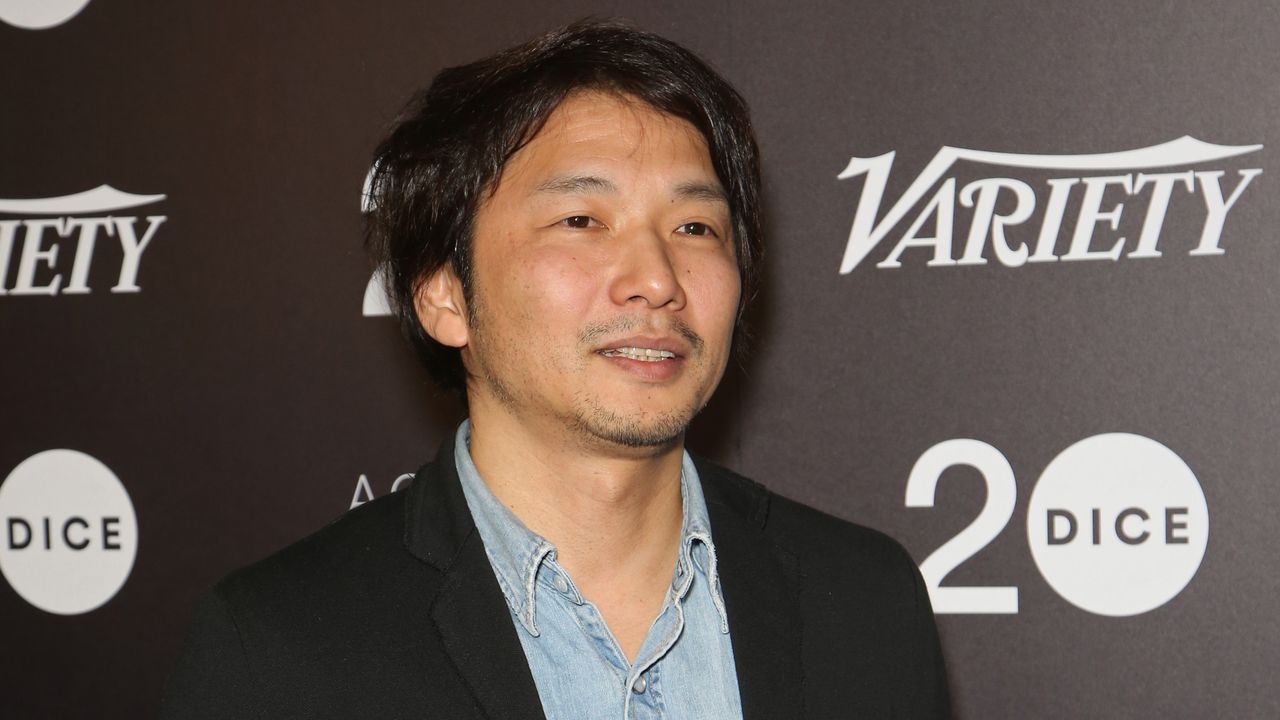
Fumito Ueda's studio has drawn a clear line on artificial intelligence usage. The legendary director, known for games like Ico and The Last Guardian, confirmed that his team does not deploy AI tools for actual game development on Gen Atlas. The studio uses AI exclusively for project management and administrative tasks, a distinction Ueda emphasized in recent comments.
This stance reflects broader tensions within the industry over AI integration in creative work. While some studios have embraced machine learning for art generation, animation, and code assistance, others view such tools as threats to artistic integrity and employment. Ueda's position aligns with developers who see a fundamental difference between AI handling logistics versus participating in core creative decisions.
Gen Atlas, the studio's upcoming project, remains grounded in traditional development methods. This approach suggests confidence in the team's established pipeline and a commitment to preserving the director's signature aesthetic sensibility. Ueda's games are celebrated for distinctive visual and mechanical design. Relying on human expertise rather than algorithmic generation protects that creative voice.
The statement arrives as the industry grapples with AI adoption. Major publishers experiment with generative tools for efficiency gains, while independent developers and established auteurs like Ueda maintain skepticism. His comments carry weight given his pedigree and the critical success of his previous work, providing ammunition to those questioning whether AI acceleration justifies compromising artistic direction.
Using AI for project management remains non-controversial. Scheduling, resource allocation, and administrative overhead sit outside creative domains. This hybrid approach, deployed by Ueda's studio, may represent a practical middle ground that skeptical developers can accept without abandoning efficiency improvements entirely.
For Gen Atlas, the commitment to traditional development methods sets expectations. Players can anticipate a game shaped by human designers rather than trained models, preserving the intentionality that defined Ueda's catalog. Whether this stance becomes a marketing advantage or proves irrelevant