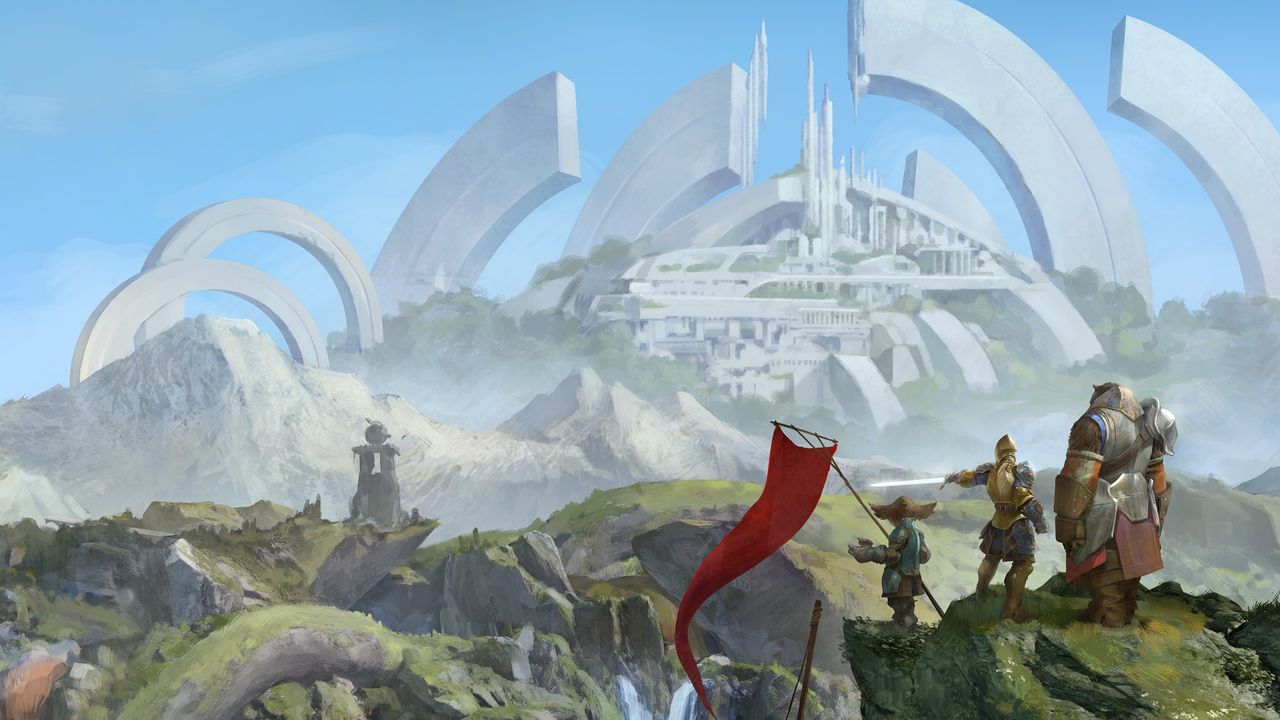
ArenaNet is developing Guild Wars 3, an MMO designed to challenge conventions the same way Guild Wars 2 disrupted the genre over a decade ago. The studio aims to push the MMORPG space forward with design philosophy that breaks from established formulas.
Guild Wars 2 launched in 2012 as a genre disruptor, eliminating mandatory subscription fees and gear treadmills that defined competitors like World of Warcraft. The game focused on accessible content, dynamic events, and horizontal progression. That approach gained traction, attracting millions of players seeking alternatives to traditional subscription models.
Guild Wars 3 enters development with similar ambitions. ArenaNet signals the studio wants to rethink core MMO systems rather than iterate incrementally. The specifics remain limited, but the studio's track record suggests radical departures from genre norms. Rather than chasing World of Warcraft's vertical progression model, Guild Wars 2's DNA emphasized player choice and accessibility.
The MMO market has fractured significantly since Guild Wars 2's launch. Final Fantasy 14 dominates the subscription space with Final Fantasy 16 recently redirecting resources. Elder Scrolls Online operates successfully as a premium model. Newer titles like New World struggled with monetization questions. Players now expect transparency on battle pass systems, cosmetics pricing, and battle pass content.
Guild Wars 3's development timeline remains unclear. ArenaNet continues supporting Guild Wars 2 with expansions and seasonal content, suggesting a gradual transition rather than immediate launch. The studio's parent company Anet stands as a steady employer in an industry marked by layoffs and studio closures.
The announcement arrives as players increasingly scrutinize MMO monetization and progression systems. Guild Wars 2's continued success proves demand exists for games rejecting mandatory spending and time-gating. Guild Wars 3 faces pressure