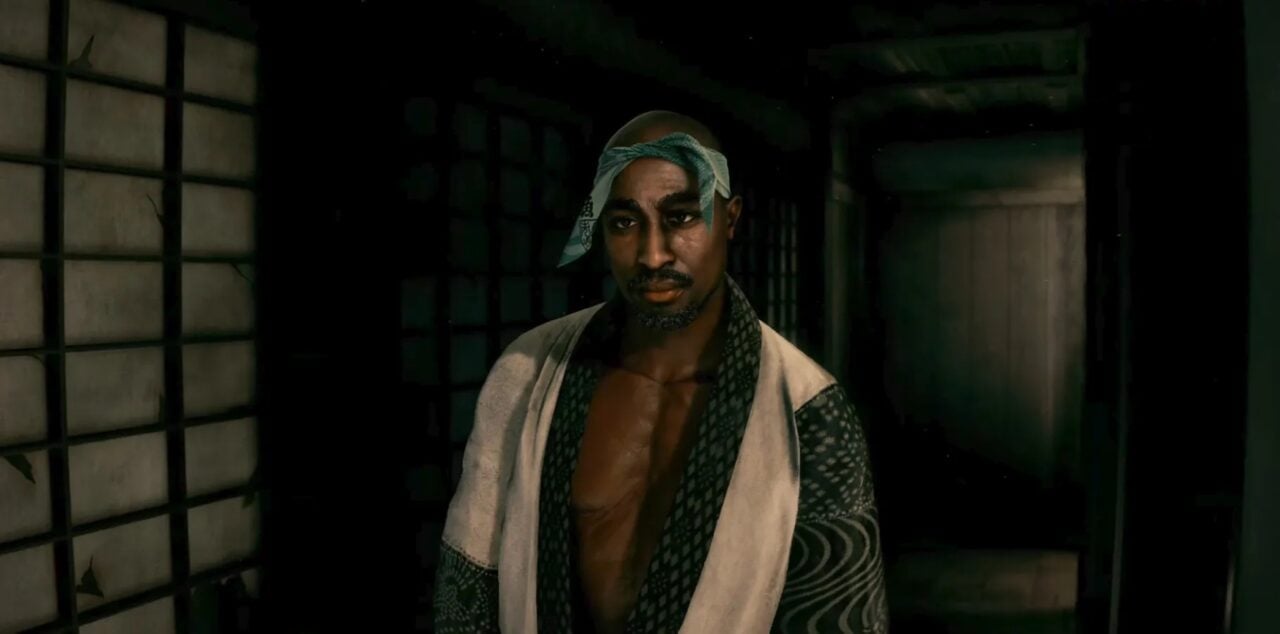
The Tupac Shakur estate approved a holographic cameo of the late rapper for the video game Stranger Than Heaven. The approval came through the estate's current executor, who faces embezzlement accusations. This creates a complex situation around the legitimacy of the licensing decision.
Stranger Than Heaven, a narrative-driven title, features the Tupac hologram as part of its story content. The appearance required formal approval from the Shakur estate, which controls the rapper's image rights and likeness. That approval reportedly came from the person currently managing the estate's affairs.
The complication emerges from ongoing legal troubles. The estate executor faces allegations of embezzlement, raising questions about whether decisions made during this period hold water. When estates operate under leadership accused of financial misconduct, the authority of their approvals becomes contestable. Other estate beneficiaries or legal representatives could challenge whether this person had clear authority to license Tupac's likeness to a commercial game project.
This touches on broader issues in gaming around celebrity and historical figure licensing. Using likeness technology, especially AI-generated or holographic representations, requires explicit approval. The gaming industry has expanded into these territories as technology improves, but the legal frameworks remain murky. Estates and rights holders must navigate approval processes while maintaining control over how those images appear and are used.
For Stranger Than Heaven, the hologram serves as narrative content, not a throwaway easter egg. The game's developers secured what appeared to be legitimate approval from proper channels. Whether that approval stands if the estate executor faces removal or conviction remains unresolved. The situation underscores how gaming's engagement with celebrity licensing can entangle itself in legal complications outside the industry's control.