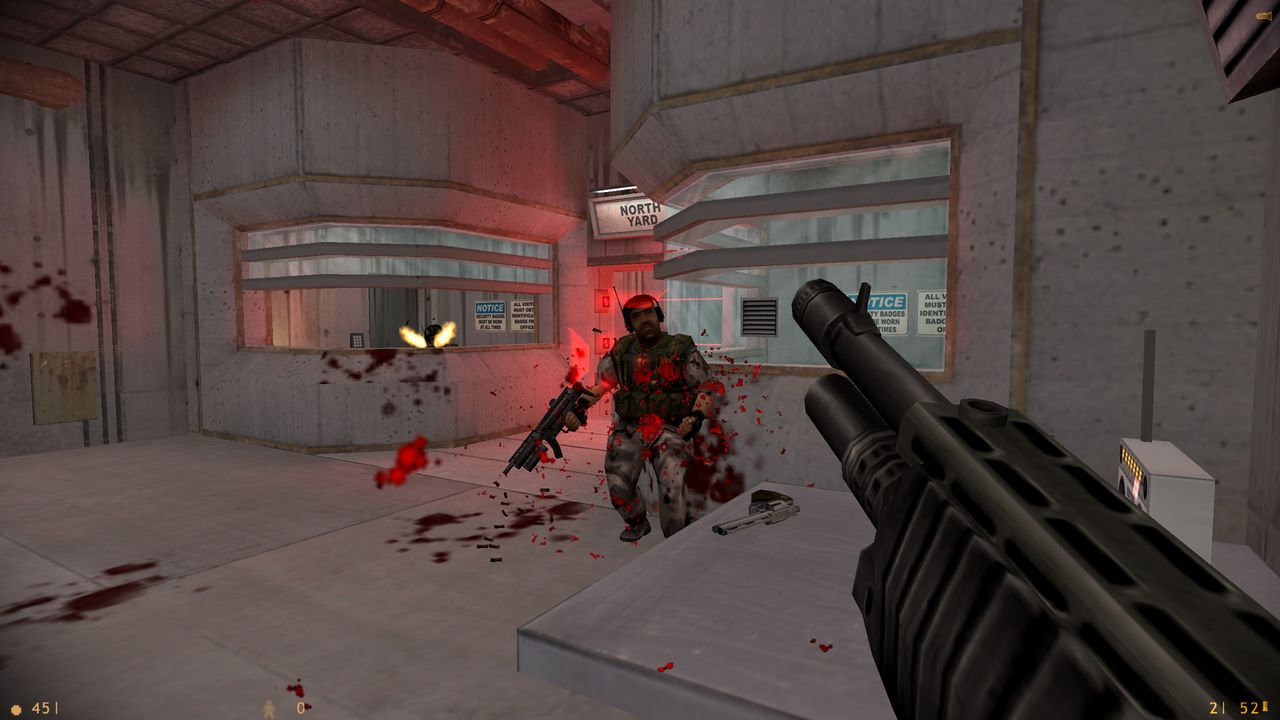
A developer successfully ported the original Half-Life to a 2007 Nokia N95 smartphone, achieving a smooth 30 frames per second with full mouse and keyboard support. The feat demonstrates the technical prowess behind classic PC gaming and the surprising capabilities of decade-old mobile hardware.
The Nokia N95 ran Symbian OS and featured a 332 MHz processor, 64MB of RAM, and a modest 240x320 display. Half-Life, released in 1998, demands significantly more resources than typical mobile games from 2007. The developer optimized the Source engine port to fit within these constraints without gutting core gameplay mechanics.
The implementation includes functional mouse and keyboard controls, suggesting the N95 connected to peripherals via Bluetooth or USB. This setup transforms the phone into a portable gaming device capable of running one of gaming's most influential shooters. The 30 fps target maintains playable performance on Valve's demanding title.
This project joins a broader trend of developers pushing retro games onto unexpected platforms. Similar efforts have put Doom on everything from calculators to smart watches, showcasing how optimization unlocks possibilities. These projects rarely launch commercially but generate significant interest within the modding and preservation communities.
The Nokia N95 once represented premium mobile technology in 2007. Modern smartphones possess processing power roughly 1,000 times greater. Yet this Half-Life port reminds players that older hardware could handle sophisticated titles with proper engineering.
Valve has shown limited interest in official mobile ports for Half-Life, focusing instead on console and PC releases. This homebrew effort fills that gap for nostalgic players curious about portable Half-Life experiences. The project encourages broader discussion about gaming preservation and the accessibility of classic titles across platforms.
The successful port suggests other Source engine games might transition to legacy devices with similar optimization work. Whether more developers tackle this challenge depends on community