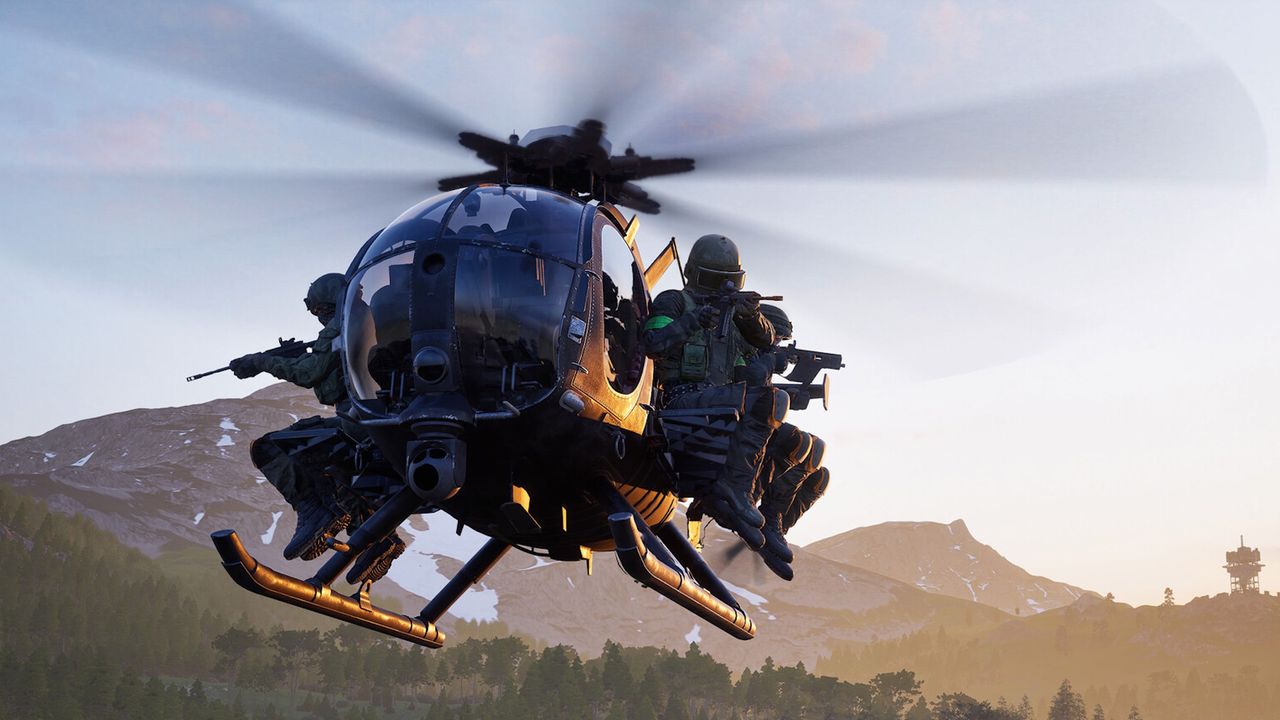
Wardogs launches on Steam later this year as a modern military shooter built around one core principle: players drive everything. The game supports up to 100 concurrent players in what developers position as pure "all-out warfare" without the constraints of battle royale or extraction mechanics.
The studio behind Wardogs rejects the two dominant multiplayer FPS formats. Battle royale's shrinking map and extraction shooters' loot-focused tension don't define the experience here. Instead, Wardogs emphasizes direct player agency across large-scale maps. With 100-player servers, the game aims for Escape from Tarkov-scale populations while maintaining traditional objective-driven combat.
The "100% player driven" tagline hints at systems where outcomes depend entirely on player decisions rather than RNG loot drops or zone mechanics forcing engagement. This suggests persistent objectives, environmental destruction, or faction-based control systems where teams shape map evolution through their actions.
The modern military setting places Wardogs alongside titles like Squad, Escape from Tarkov, and Insurgency Sandstorm, yet it pursues different design goals. Squad offers large-scale tactical gameplay with vehicle combat. Tarkov delivers hardcore survival extraction tension. Wardogs appears positioned between sim-lite tactical depth and accessible large-scale warfare.
Steam remains the primary platform, avoiding the console market initially. This decision targets PC enthusiasts already invested in demanding multiplayer shooters with moderate hardware requirements.
The FPS market has fragmented considerably. Call of Duty and Valorant dominate competitive audiences. Smaller studios carve niches through mechanics refinement rather than franchise power. Wardogs' emphasis on player-driven sandbox warfare appeals to the Squad and Insurgency playerbase craving complexity without extraction mechanics' repetitive grinding.
Launching a 100-player shooter requires robust netcode, server infrastructure, and content depth to retain