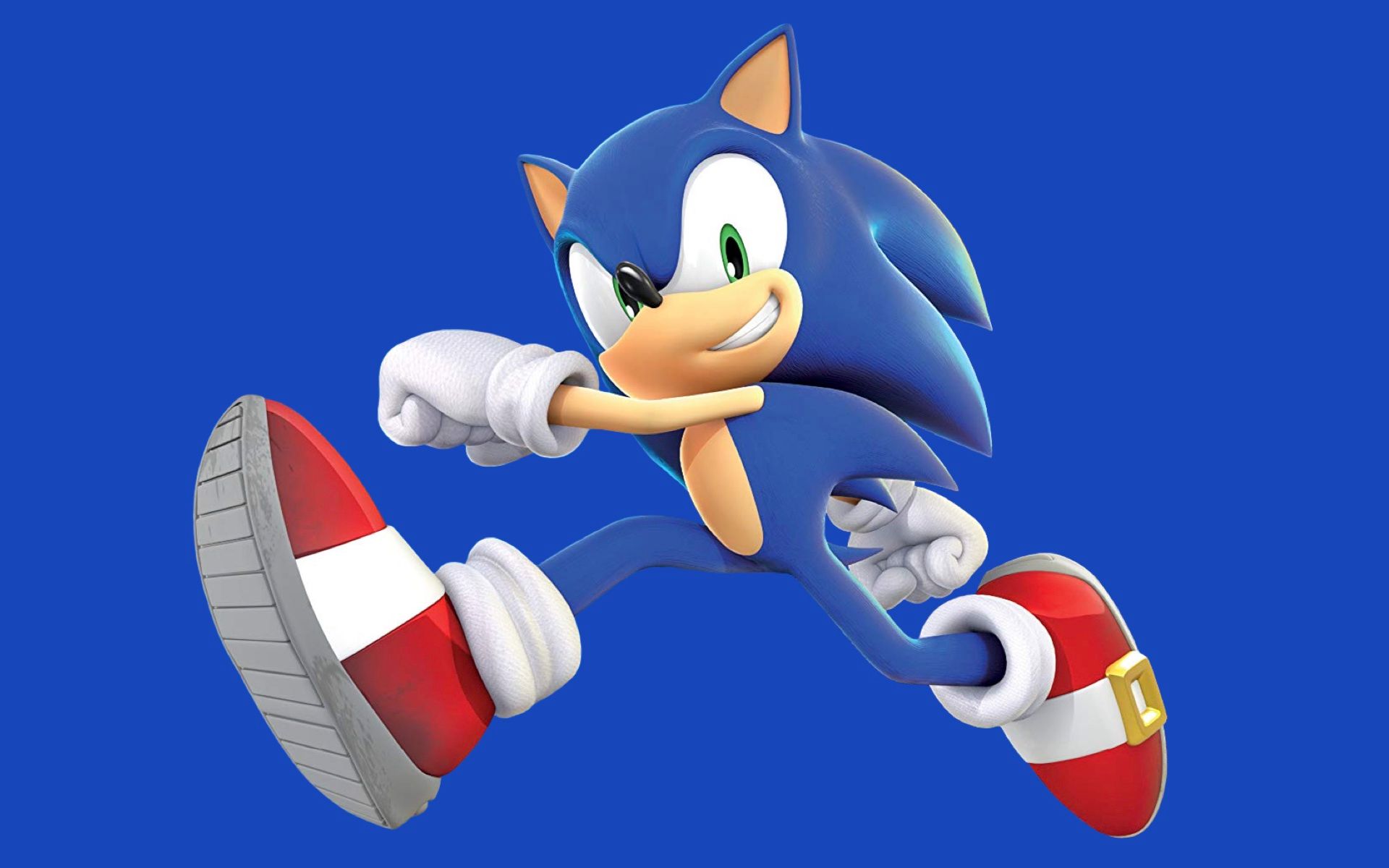
Sonic Team has confirmed Sonic Pico Park, a new multiplayer-focused title positioned as a palate cleanser between major Sonic releases. The game emphasizes cooperative and competitive local play rather than the high-speed momentum mechanics that define the mainline franchise.
Pico Park strips back Sonic's complex design philosophy in favor of straightforward party game mechanics. Players navigate bite-sized levels in short bursts, competing or cooperating depending on the mode selected. The structure echoes classic arcade design where accessibility and quick sessions take priority over sprawling campaigns.
Early preview builds reveal the core appeal centers on unpredictability and emergent player behavior. Levels spawn chaos through simple rule sets that create laugh-out-loud moments when plans collide. The game doesn't lean on Sonic's signature speed runs or precision platforming. Instead, it relies on physics interactions and player timing to generate entertainment.
However, frustration accompanies the fun. Input responsiveness occasionally lags during hectic multiplayer sequences. Camera angles sometimes obscure critical information during tense moments. The difficulty curve feels uneven, with certain levels punishing players for mechanics the game hasn't adequately explained.
Sonic Pico Park arrives as Sonic Team's answer to the gap between major releases. Unlike Sonic Mania Plus or Team Sonic Racing, this entry doesn't attempt to repackage existing Sonic IP into a fresh genre. Instead, it borrows party game DNA from titles like Gang Beasts or Fall Guys, applying Sonic's aesthetic on top.
The title targets players burned out on demanding single-player campaigns. Quick multiplayer sessions appeal to casual audiences and streamers seeking watchable content. Sonic Team clearly aims to capture the social gaming market without cannibalizing sales from upcoming mainline entries like Sonic 3.
Whether Pico Park sustains long-term interest depends on