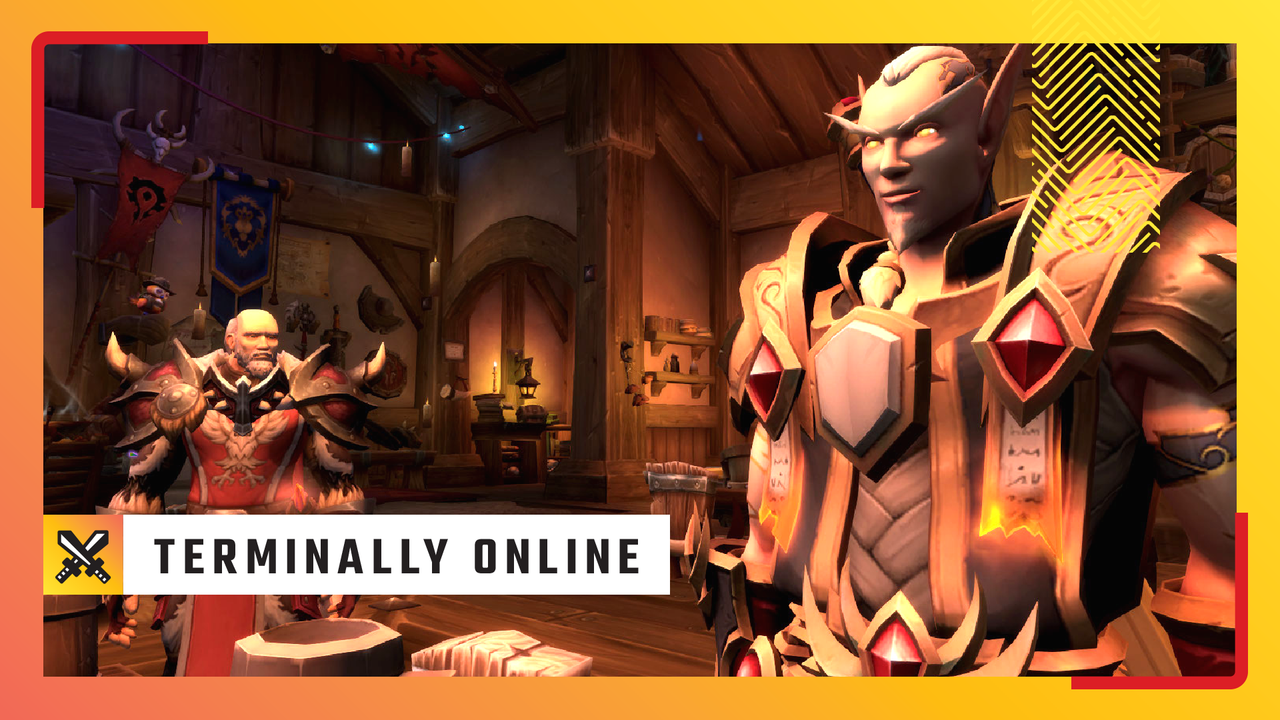
# How Often Do Players Actually Interact With Strangers in MMOs?
PC Gamer is asking a straightforward question about MMO culture. The headline cuts to the heart of how modern massively multiplayer online games function. Do players treat them as social spaces where random encounters lead to conversation, or have they become isolated single-player experiences with other people present?
The reality has shifted dramatically over the last decade. Early MMOs like EverQuest and World of Warcraft forced collaboration. Group dungeons required strangers to communicate. Raid guilds demanded voice chat. The community aspect wasn't optional—it was built into progression.
Today's MMO landscape looks different. Games like Final Fantasy XIV, Elder Scrolls Online, and New World accommodate solo players heavily. You can hit endgame content without speaking to anyone outside your static group. Matchmaking systems pair players automatically. Voice chat remains optional. Many veterans report playing entire sessions without typing a single message to randoms.
This trend reflects broader gaming patterns. Players guard their time fiercely. Toxic communities have made strangers feel risky. Cross-server systems anonymize encounters. Streaming and content creation have incentivized spectating over participating. Social features still exist, but using them feels like opting into something rather than a natural part of play.
Guild housing and free companies create tight-knit circles. World chat exists but often deteriorates into spam. Proximity-based communication dies when everyone teleports. The genre retains its MMO label while eroding the multiplayer social contract that defined the category.
Different MMOs pull different levers. SWTOR players might never need randoms. WoW mythic raiding demands coordinated teams. Guild Wars 2 world events sometimes create spontaneous cooperation. New World's territory control invites faction rivalry.
But the trend leans toward isolation within crowds. Players