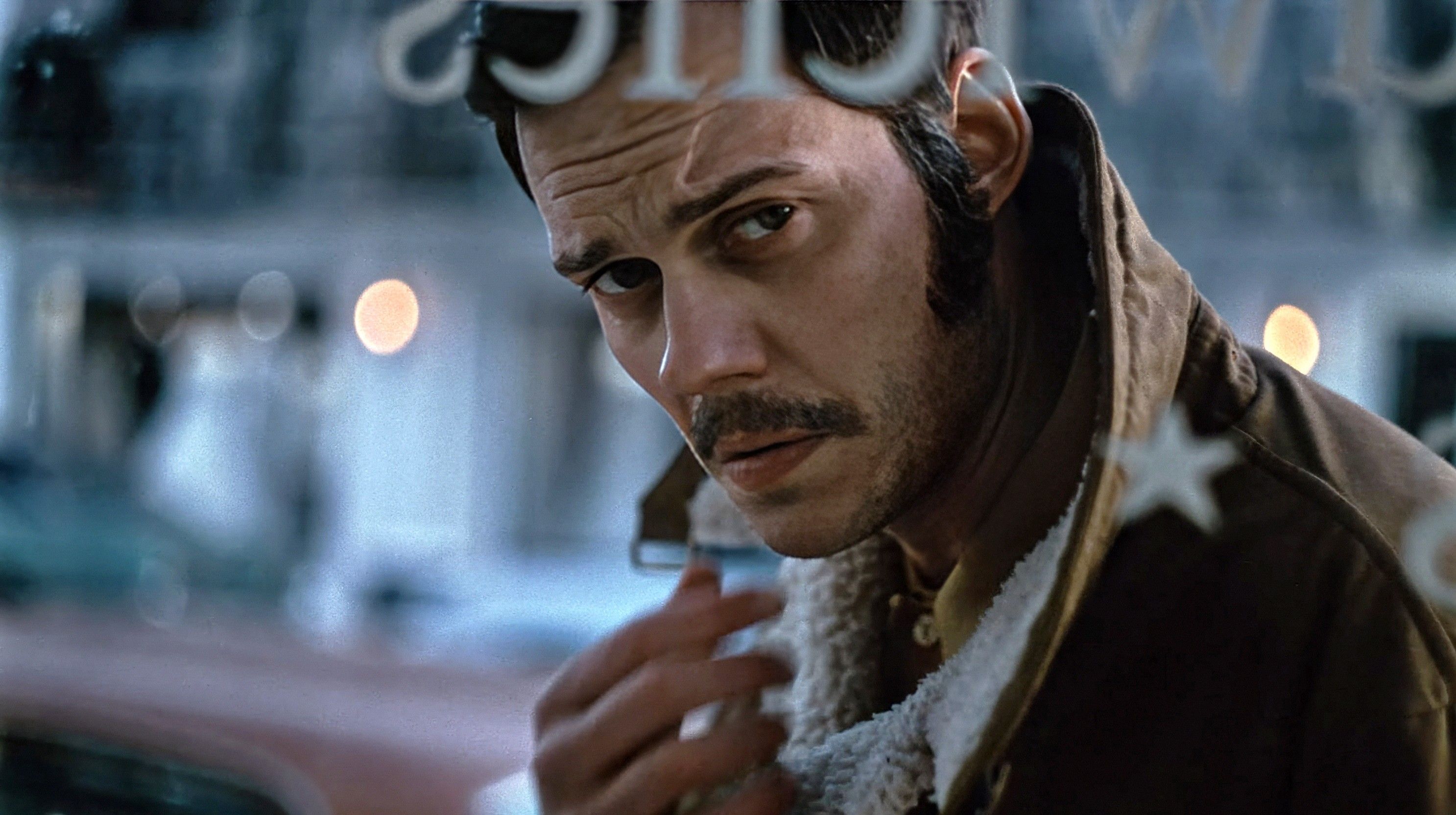
# Summary
Netflix's thriller "Dead Man's Wire" delivers a gripping hostage drama anchored by real historical events from 1977. Director Gus Van Sant and star Bill Skarsgard reconstruct the incident with meticulous attention to detail, blending fact-based storytelling with cinematic tension.
The film centers on an actual hostage situation that unfolded decades ago, presenting Van Sant's directorial approach to true crime material. Skarsgard's performance carries the weight of portraying a real person caught in extraordinary circumstances. The collaboration between the veteran director and the acclaimed actor elevates what could be straightforward crime reenactment into something more layered and psychologically complex.
Van Sant's filmmaking philosophy emphasizes authenticity over sensationalism. The accuracy serves the narrative rather than exploiting it. Skarsgard brings psychological depth to his character, treating the historical figure with nuance. This approach distinguishes "Dead Man's Wire" from typical true crime fare that often prioritizes drama over documentation.
Netflix's investment in prestige true-crime material continues with this project. The streaming giant has found success mixing historical accuracy with strong creative talent. "Dead Man's Wire" positions itself as premium storytelling grounded in verifiable events, appealing to viewers fatigued by fictional dramatizations.
The 1977 hostage incident provides the skeleton, but Van Sant and Skarsgard's execution adds flesh and complexity. Their commitment to accuracy creates a viewing experience where tension derives from actual events rather than invented spectacle. For audiences seeking true crime content with artistic credibility, "Dead Man's Wire" offers both historical weight and entertainment value.