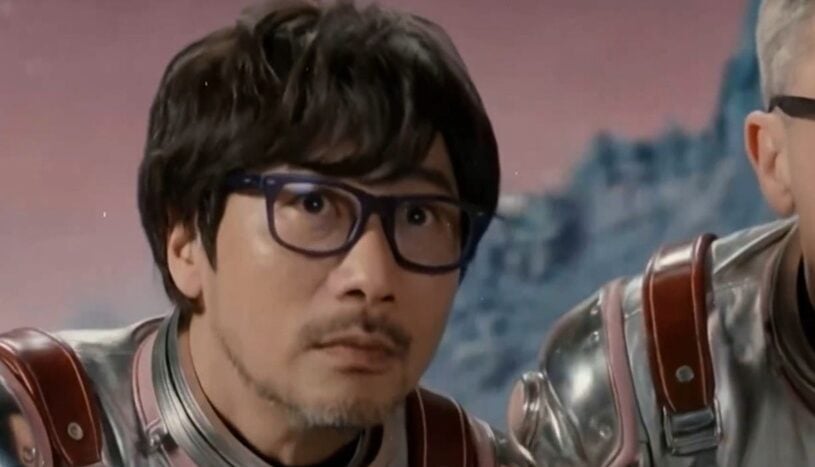
Hideo Kojima has publicly dismissed artificial intelligence as a creative tool, stating he won't witness its maturation into genuine art during his lifetime. The Death Stranding 2 director made the remarks while acknowledging an ironic contradiction. Kojima himself appeared in an AI-generated promotional video for a new art exhibit, despite his skepticism about the technology's capabilities.
"Maybe AI could create art, but while I live, I don't think I'll see it," Kojima told reporters. His position reflects broader tension in the creative industry. Game developers, filmmakers, and artists remain divided on AI's role in production. Some studios experiment with the tech for asset generation and workflow acceleration. Others, like Kojima, view it as a fundamental threat to human artistic expression.
The contradiction between Kojima's stated position and his participation in AI-generated content highlights the messy reality of the current moment. Major publishers and independent creators face mounting pressure to engage with AI tools. Simultaneously, high-profile figures resist normalization of these systems.
Kojima Productions continues developing Death Stranding 2 with traditional production methods. The studio maintains a reputation for hands-on creative direction and intricate storytelling. Kojima's involvement in every aspect of his projects remains legendary in the industry. His skepticism about AI automation aligns with his creative philosophy. He prioritizes singular artistic vision and meticulous control over efficiency gains.
The gaming industry's AI adoption accelerates regardless. Smaller studios embrace machine learning for animation cycles, texture generation, and dialogue variation. Publishers explore AI-driven NPC behavior and personalized narrative branching. Yet visionary directors like Kojima continue pushing back, arguing that authentic art requires human struggle, intuition, and decision-making. His dismissal of AI's near-term potential carries weight given his track record with Metal Gear Solid, Silent Hills influence, and Death Stranding's experimental design