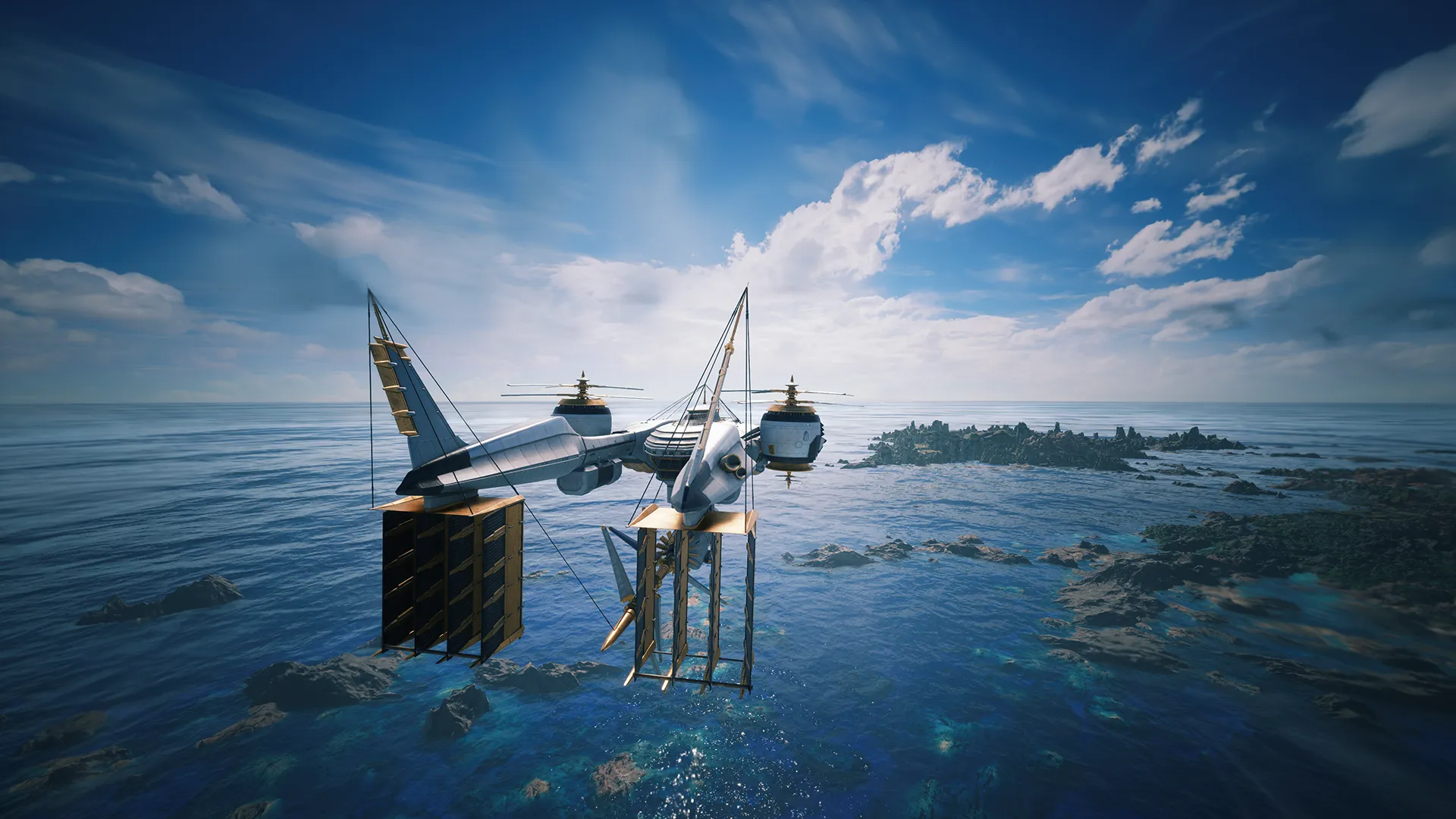
Final Fantasy VII Rebirth's open world welcomes players to tackle content in nearly any order they choose. Director Naoki Hamaguchi confirmed that optional superbosses like the WEAPONs remain available from the game's opening, even if players lack the stats and gear to defeat them. This design philosophy extends to a wealth of side content scattered across the map.
The freedom to approach challenges nonlinearly marks a shift from Rebirth's predecessor, Final Fantasy VII Remake, which maintained tighter pacing through structured chapters. Rebirth opens its world much earlier, letting players roam, hunt for secrets, and engage optional battles without narrative gatekeeping. Hamaguchi's comments suggest Square Enix built the side content with genuine depth rather than filler tasks.
This approach echoes modern open-world design principles popularized by titles like The Legend of Zelda. Breath of the Wild and Elden Ring prove audiences reward games that respect player agency and accommodate multiple playstyles. Rebirth's willingness to let underprepared players encounter WEAPONs and absorb inevitable defeats shows confidence in its systems. Players can learn enemy patterns, return later with better equipment, and experience the satisfaction of overcoming previously impossible odds.
The scope of Rebirth's optional content matters for PS5 owners seeking value. Final Fantasy games traditionally pack 50-100 hours of gameplay across story and sidequests. An open world stuffed with meaningful activities could push playtime significantly higher, justifying the premium AAA price point in an era where players scrutinize time-to-entertainment ratios.
For the Final Fantasy VII Remake trilogy, this flexibility signals maturity in how Square Enix handles beloved source material. Rather than railroad veteran players through predetermined encounters, Rebirth trusts its combat systems and world design to create emergent moments. A