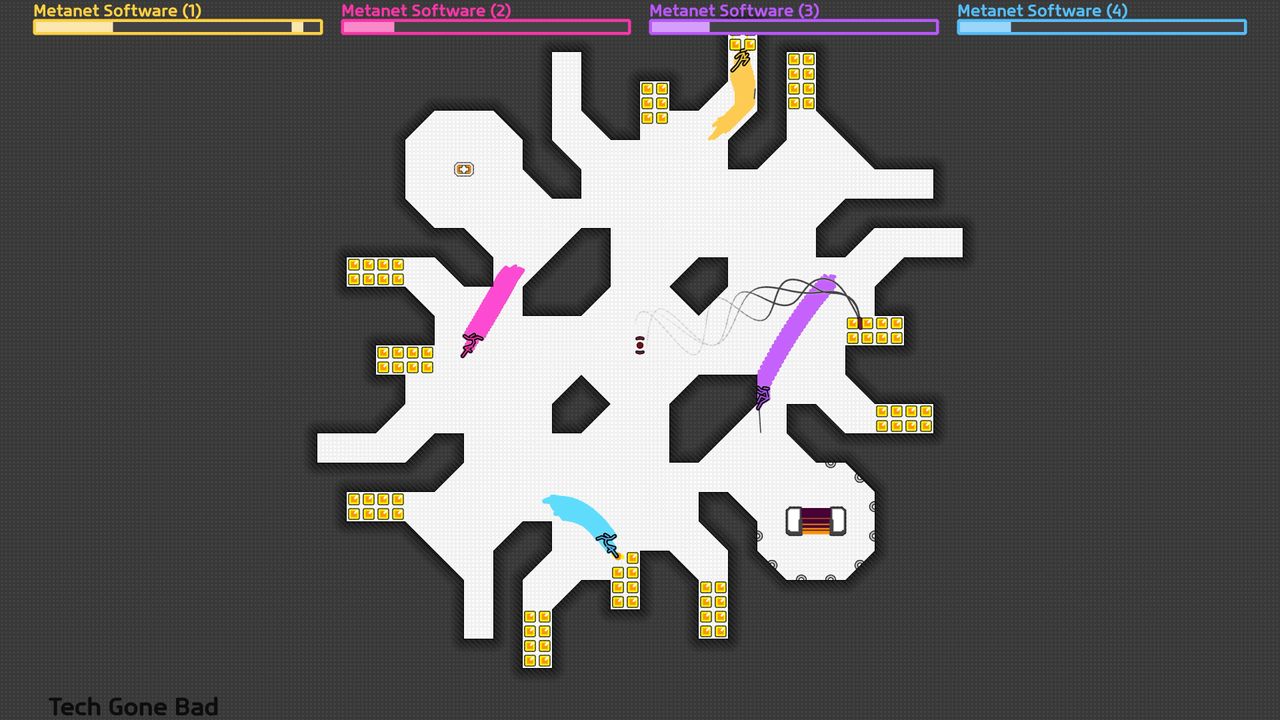
An indie development team rejected algorithmic music curation entirely, spending 1,500 hours manually digging through Bandcamp to handpick every track for their upcoming game N Plus Infinity Times Two. Rather than rely on AI-driven recommendations or licensing services, the developers committed to deep listening, discovering independent artists whose work matched their precise sonic vision.
This approach reflects growing frustration among indie creators with algorithm-driven discovery. Spotify, YouTube Music, and similar platforms optimize for engagement metrics rather than artistic fit. For developers building niche experiences, that mismatch creates problems. A game soundtrack needs cohesion. It needs to reinforce world-building and emotional beats. Algorithmic suggestions rarely deliver that specificity.
The team's decision also benefits the artists themselves. Bandcamp creators receive direct support through platform sales, cutting out intermediaries. Independent musicians get paid fairly while indie devs gain authentic music that respects their creative intent.
N Plus Infinity Times Two maintains the focused sonic identity of its predecessor by necessity. The genre, tone, and pacing all demand precise audio accompaniment. Hiring a composer works for some projects. Licensing established music from major labels requires budgets most indie studios lack. Bandcamp offered a third path: dig deep, discover obsessively, and pay artists directly for work that actually fits.
This 1,500-hour investment speaks to a broader shift. Indie developers increasingly reject the convenience of algorithms when quality requires curation. The same applies to writing, art, and design. Meaningful creative work demands intention over optimization. The music in N Plus Infinity Times Two will sound different because it was chosen by humans who understood the game's DNA, not computed by systems trained to maximize engagement.
That philosophy resonates with players tired of algorithmic homogenization across entertainment platforms. Games with distinct audio identities stand out. Players remember them.