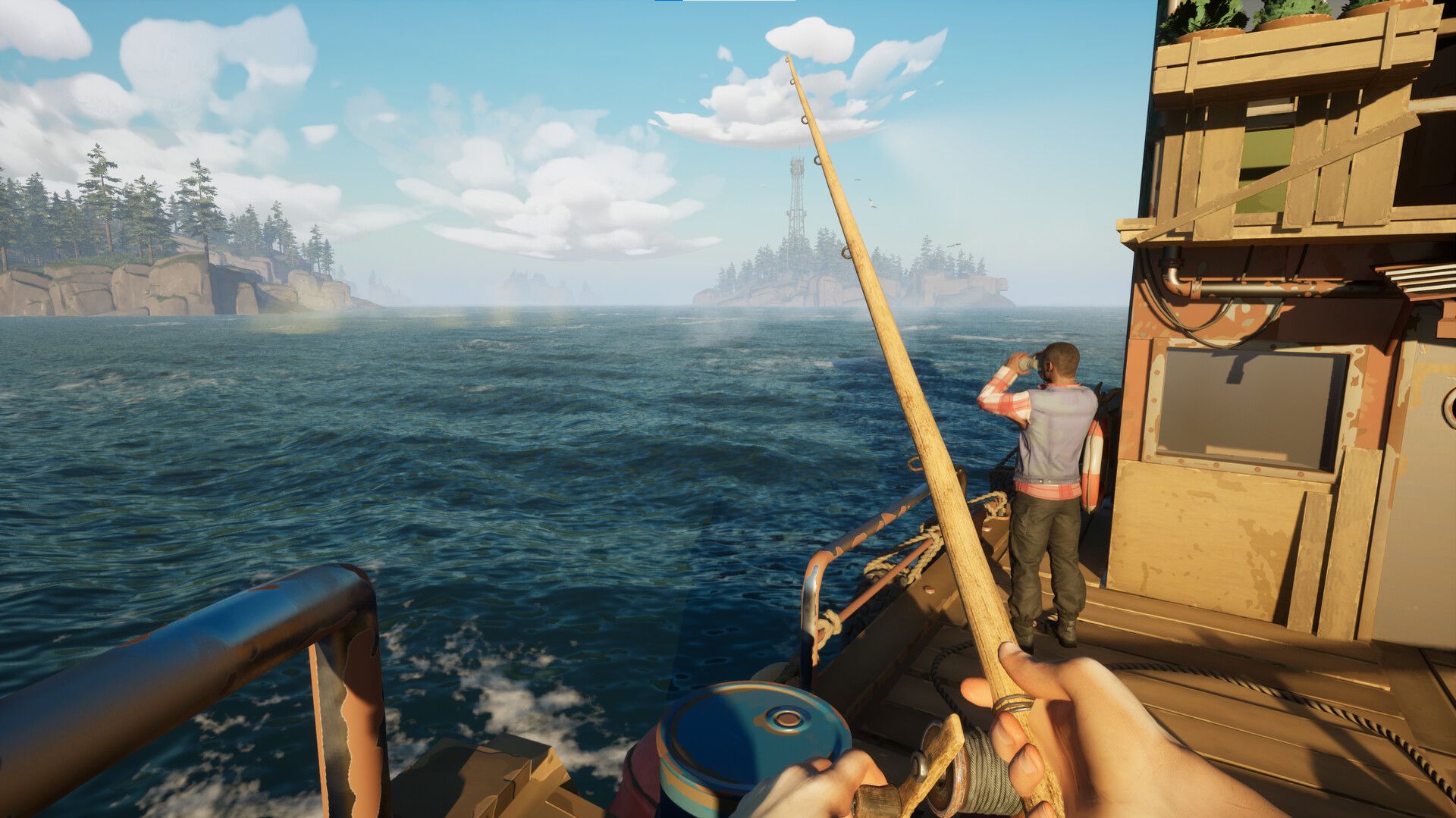
Last Harbor launches as a survival crafting game built around player encounters rather than structured multiplayer systems. The game drops players into persistent worlds where they scavenge for resources and materials, with emergent gameplay emerging naturally when survivors cross paths during their individual expeditions.
Developer focus centers on unscripted interactions. Players hunting the same loot spawns or competing for shelter locations will create organic conflicts and cooperation moments without relying on traditional quest markers or forced PvP mechanics. This approach mirrors design philosophies seen in DayZ and Rust, though Last Harbor hasn't detailed its stance on PvP versus survival tension specifically.
The persistent world structure matters here. Unlike session-based survival games, Last Harbor maintains evolving environments where player actions leave lasting marks. Bases built today influence tomorrow's landscape. Looted areas require time to respawn. This persistence rewards exploration and punishes abandonment, encouraging communities to form around resource-rich zones.
Release timing targets 2027 on PC, giving the studio time to stress-test multiplayer infrastructure. Survival crafting games live or die on netcode stability and server performance. When dozens of players occupy the same zone, every frame counts. The three-year runway suggests developers aren't rushing to market with incomplete systems.
The survival crafting genre remains crowded. Valheim captured casual appeal through accessible Norse mythology aesthetics. Grounded scaled survival mechanics down to backyard proportions. Palworld weaponized creature-catching to revitalize the formula. Last Harbor bets on emergent multiplayer encounters as its differentiator, trusting that spontaneous player drama outweighs scripted content.
Success hinges on execution. Server populations determine encounter frequency. Too sparse, and the multiplayer hook evaporates into lonely grinding. Too dense, and griefing overwhelms new players trying to establish footholds. Last Harbor's 2027