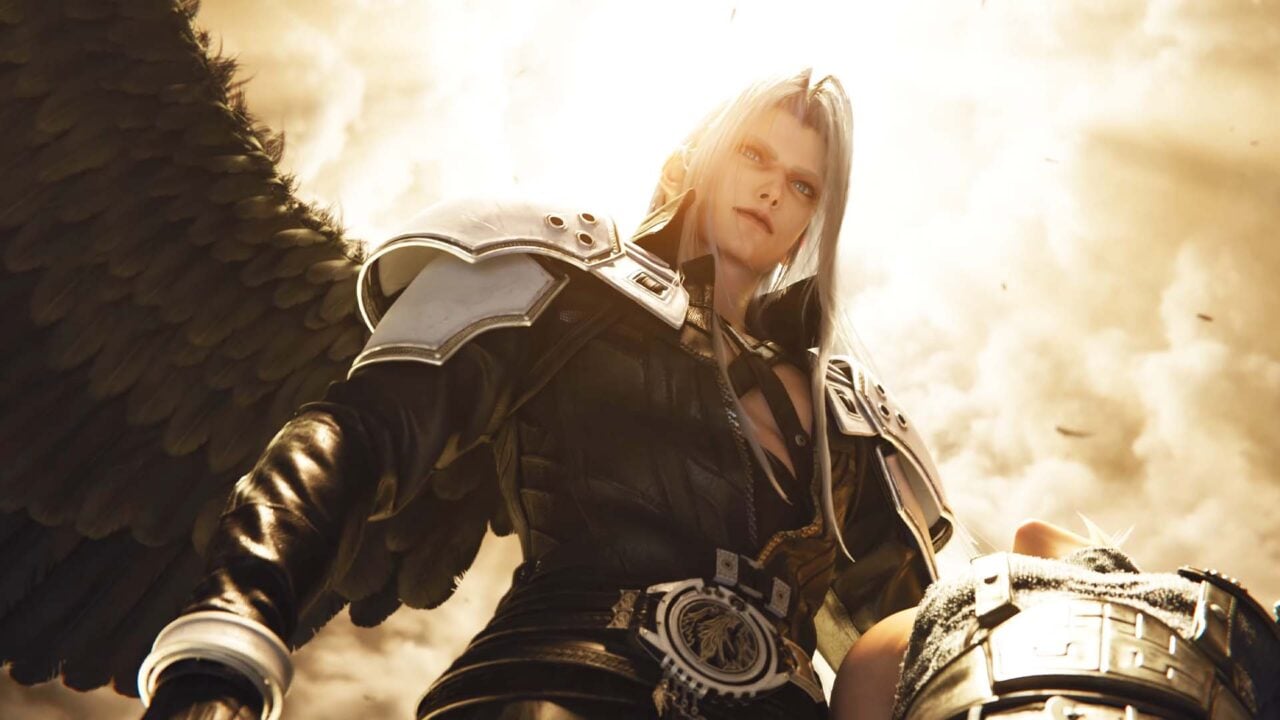
Square Enix officially announced Final Fantasy 7 Remake: Part 3, titled "Revelation," arriving next spring. The third installment concludes the remake trilogy that began with 2020's Final Fantasy 7 Remake and continued with 2024's Final Fantasy 7 Rebirth on PlayStation 5.
The title "Revelation" signals the narrative endgame. Square Enix has built its modern Final Fantasy 7 saga around expanding and reimagining the original 1997 PlayStation classic, departing significantly from source material while maintaining core character arcs and world-building. Rebirth expanded the scope beyond Midgar, introducing new regions and deepening the conflict between Cloud's party and Sephiroth's machinations across a larger world.
Spring 2027 positions Revelation as a major PlayStation 5 exclusive for the latter half of the console cycle. The remake series has proven commercially successful, with Final Fantasy 7 Rebirth selling over 3 million copies since launch. Players have engaged heavily with the expanded story, character development, and combat systems director Tetsuya Nomura and his team refined across both previous entries.
The three-part structure gives Square Enix breathing room to develop ambitious set pieces and narrative payoffs. Revelation carries the weight of closure for a remake arc that has taken nearly seven years from announcement to completion. Fans expect this installment to reconcile the timeline confusion and alternate reality elements that Rebirth introduced, particularly surrounding Sephiroth's presence and the party's knowledge of alternate futures.
Square Enix has capitalized on Final Fantasy 7's enduring cultural footprint. The remake trilogy represents one of the company's largest franchise investments, demanding substantial development resources and marketing commitment. Bringing it home in spring 2027 gives the publisher a major release window and allows the studio time