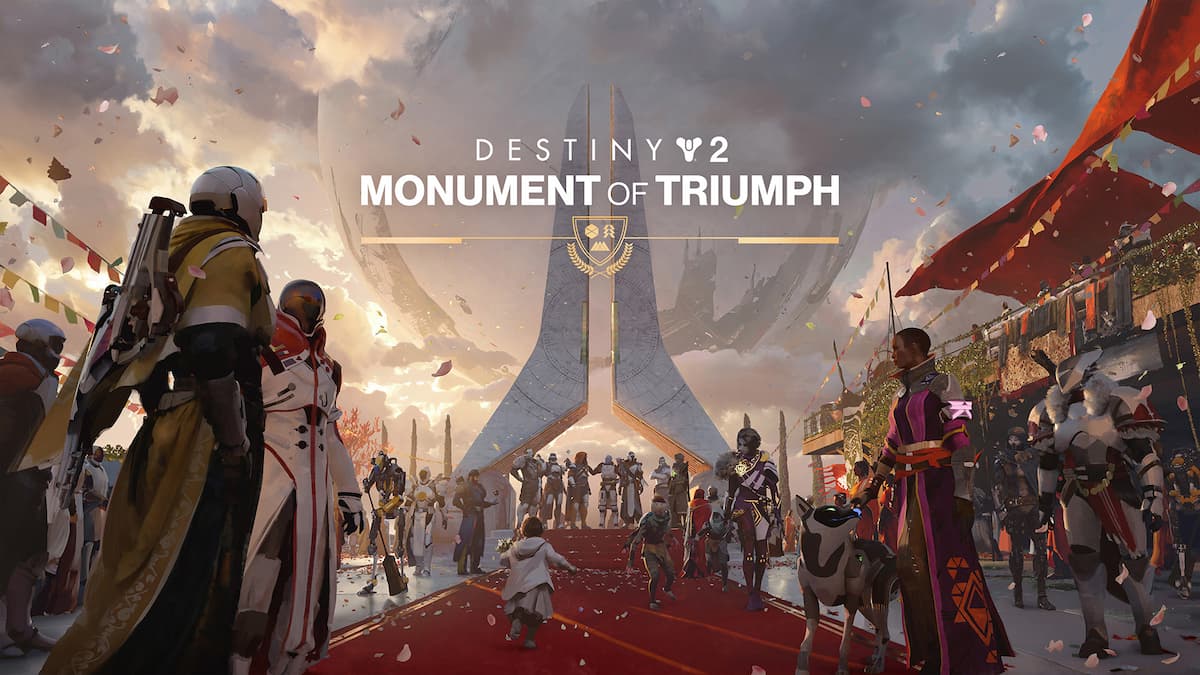
Destiny 2 players returning after a break face genuine barriers to re-entry. The game's sprawling content ecosystem, frequent balance patches, and rotating seasonal activities create confusion for lapsed players deciding where to start.
Bungie's live-service model means the meta shifts constantly. Weapon archetypes fall in and out of favor. Subclass reworks arrive regularly. Exotic armor pieces get nerfed or buffed based on PvP performance. A player who stopped playing six months ago returns to find their favorite loadout obsolete.
The seasonal structure compounds this. Each three-month cycle introduces limited-time activities, story progression, and cosmetics. Miss a season, and you cannot access that content again. New players and returning veterans both hit the same wall: FOMO (fear of missing out) becomes a genuine mechanic, not just marketing language.
Returning players also confront artifact power scaling. Each season raises the power cap. Weapons and armor earned last year feel underpowered by design, forcing players to grind Strikes, Gambit, Crucible, or dungeons just to reach baseline competitiveness. This gear treadmill exhausts casual returnees who remember simpler progression systems.
The community has stepped in where Bungie's onboarding fails. Fan-created guides and Discord communities help players identify which content matters, which activities reward specific items, and which pursuits waste time. Returning players often consult external resources before launching the game itself.
Destiny 2's depth attracts hardcore players willing to invest hours mastering builds and grinding seasonal ranks. That same depth repels returning players who remember simpler times. The game demands commitment to stay relevant.
Bungie knows this problem exists. The studio introduced the New Light experience to help fresh players, but that tutorial barely scratches the surface of endgame mechanics, build crafting