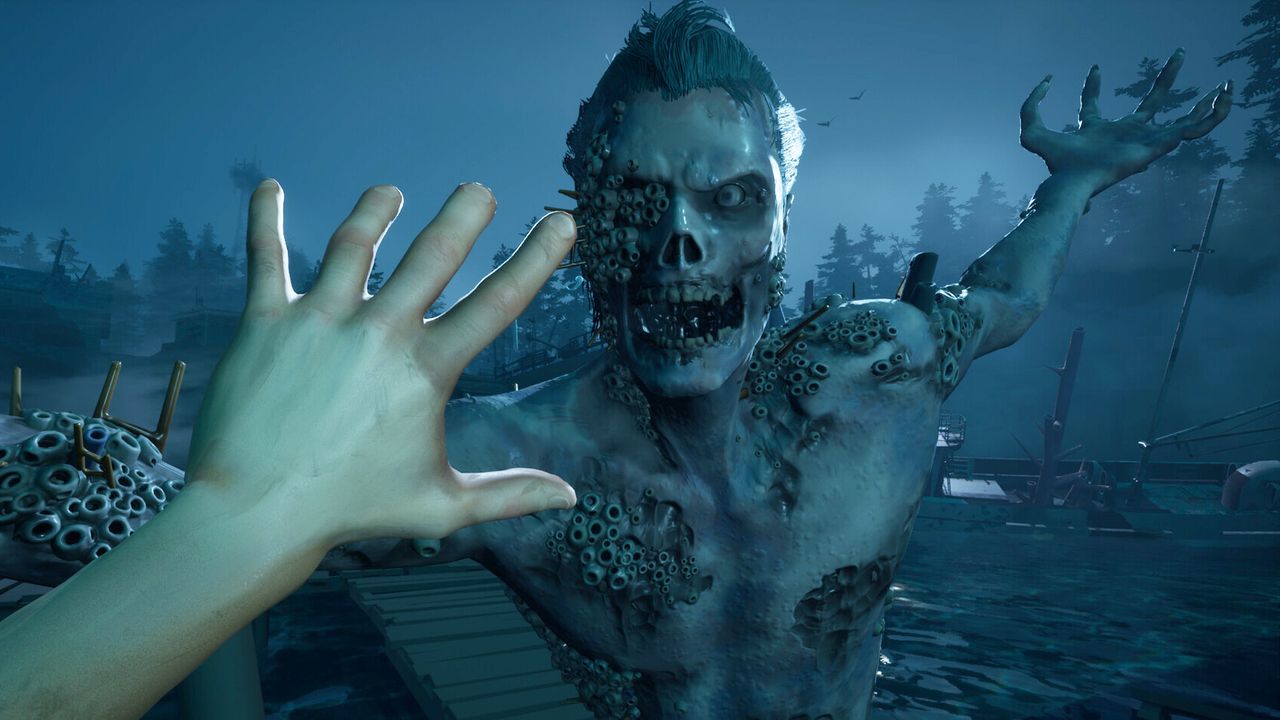
Last Harbor drops players into a boat-based survival scenario where the undead are window dressing for the real danger. Stranded with other players during a zombie outbreak, you'll navigate both environmental threats and human betrayal. The game positions PvP as the core tension mechanism, not infected hordes.
The title's claim of being "inspired by true events" remains deliberately vague in the available details. Whether this references a real maritime incident, historical outbreak, or survival story remains unclear. The marketing angle suggests developer intent to ground the experience in reality, even as zombies occupy the setting.
The co-op and PvP hybrid structure mirrors games like The Division or DayZ, where player cooperation fractures under resource scarcity. Last Harbor appears to lean harder into the social experiment angle. A boat setting constrains player movement more than open worlds, forcing constant proximity and interaction. Escape becomes collective or impossible.
PC Gamer's coverage indicates the game targets an audience fatigued by standard zombie shooters. The "inspired by true events" framing attempts to separate Last Harbor from wave-based horde games and survival sims that rely purely on mechanical challenge. Instead, it sells emergent storytelling driven by player conflict.
The boat-as-pressure-cooker concept isn't new to gaming. Titles like Among Us and Unfortunate Spacemen leveraged confined spaces to maximize paranoia and social tension. Last Harbor applies this formula to the zombie genre with added shooting mechanics.
No release date or platform confirmation appears in current announcements, though PC Gamer's coverage suggests PC as the primary target. The indie development scene continues mining cozy games, roguelikes, and metroidvanias while studios experiment with multiplayer psychology games. Last Harbor stakes territory between horror and social simulation.
The "true events" claim will either become a narrative centerpiece during launch or fade as marketing noise