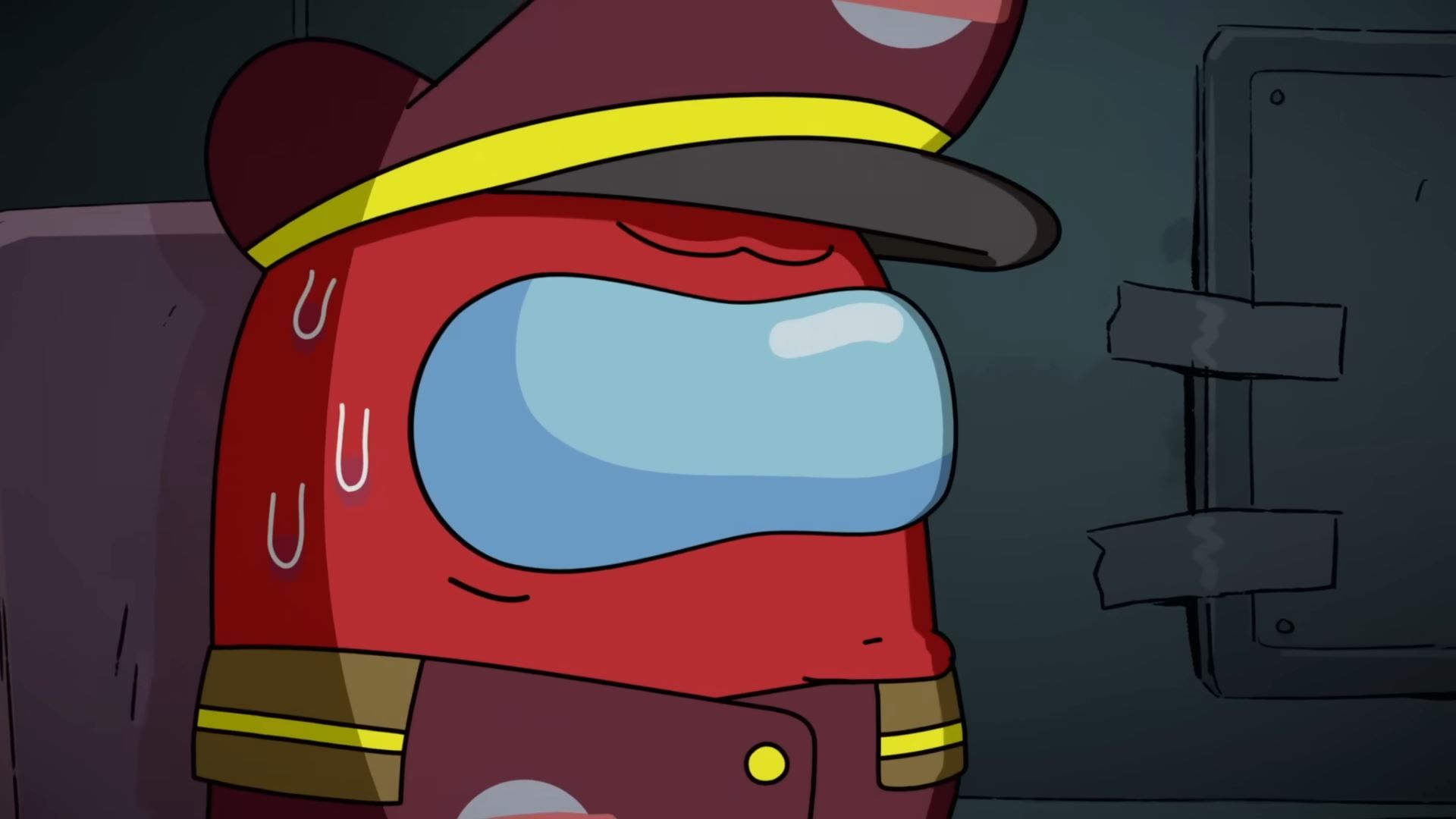
Paramount's Among Us animated series fails to capture what made the social deduction game a global phenomenon. The adaptation, which premiered on Paramount+, misses the mark across nearly every dimension, according to Polygon's review.
The original Among Us became a cultural juggernaut between 2018 and 2021, driven by its simple premise of crewmates identifying impostors through discussion and voting. The game's appeal stemmed from player-generated chaos, genuine tension, and the absurdist humor that emerged naturally from gameplay. That organic appeal proved difficult to translate to scripted television.
The show struggles to replicate the game's core tension. Without the interactive component that makes Among Us work, the adaptation relies on conventional animated storytelling that feels flat by comparison. The writing doesn't generate the unpredictability or social friction that defines the game itself. Instead, viewers watch a predetermined narrative unfold, eliminating the stakes that made the source material compelling.
Voice acting and character development fall short as well. The show attempts to build character arcs around the crew, but these additions feel disconnected from what players loved about Among Us. The series tries to impose narrative structure onto a game format designed around player agency, resulting in a fundamental mismatch between medium and content.
Paramount's bet on Among Us reflects the streaming era's aggressive IP expansion, where any sufficiently viral property gets greenlit for adaptation regardless of format compatibility. The Among Us television series demonstrates that not every successful game translates to other media. Some entertainment properties thrive specifically because of their interactive nature. The game's mechanics create the comedy and drama that audiences engage with.
The failure here serves as a cautionary tale for studios. Adaptations require more than slapping a recognizable title on conventional storytelling. The Among Us show needed to fundamentally understand why players connected with the game, then find ways to preserve that essence in a different