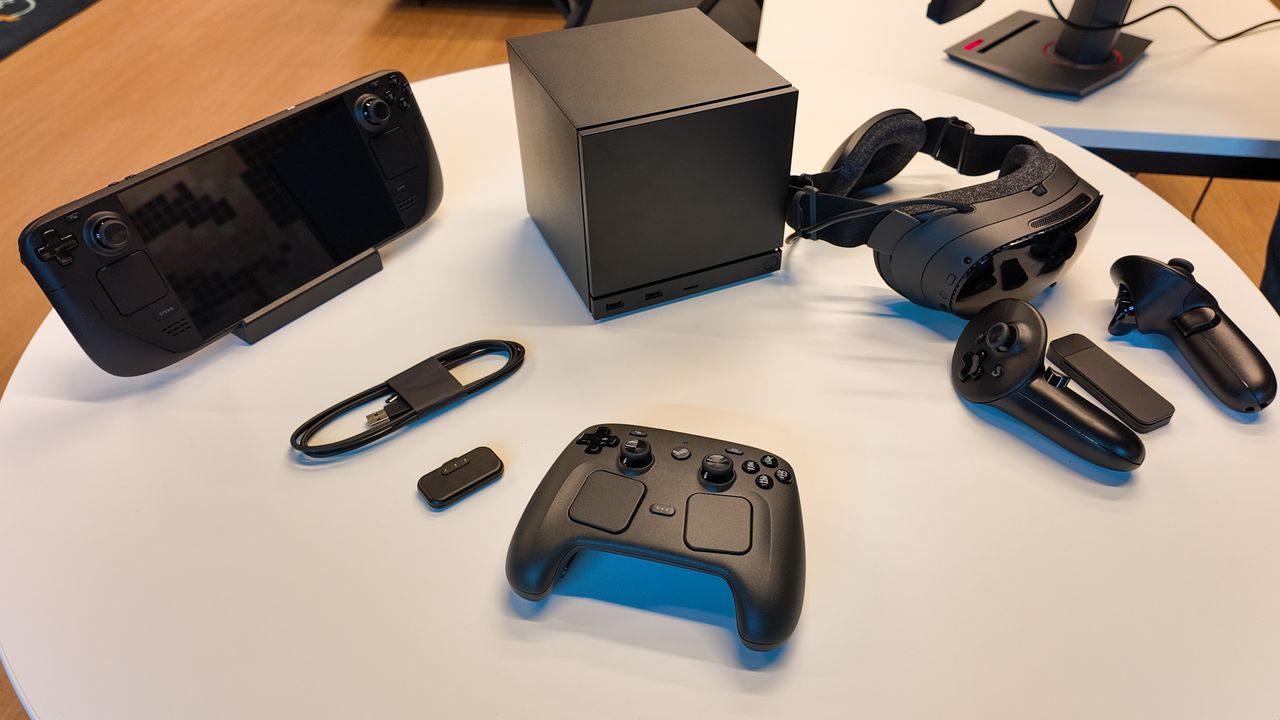
Valve maintains its commitment to releasing Steam Machines and Steam Frames this summer, brushing aside ongoing component shortages and supply chain disruptions that have plagued the hardware industry. The company has resisted pressure to delay the devices despite widespread manufacturing challenges affecting competitors across gaming and tech sectors.
Steam Machines represent Valve's push into living room gaming with dedicated hardware running SteamOS. Steam Frames, the company's modular PC enclosure designed for customization and upgrades, complete the ecosystem. Both devices aim to position PC gaming as a console-friendly alternative on television screens, targeting players who want flexibility without building traditional towers.
The component crisis has devastated hardware launches throughout 2021 and 2022, forcing companies like Sony, Microsoft, and NVIDIA to extend shipping delays and limit availability. GPU scarcity and semiconductor bottlenecks made getting consumer hardware to market nearly impossible for many manufacturers. Valve's insistence on meeting a summer deadline stands out given this landscape.
The company has historically shown patience with hardware releases, taking years to refine products before launch. That deliberate approach contrasts sharply with this aggressive timeline. Whether Valve secured component allocations early or plans limited initial quantities remains unclear. The company has not detailed production numbers or availability expectations.
Steam's dominance in PC gaming gives Valve leverage with suppliers that smaller hardware makers lack. The company controls the platform where these devices run, potentially justifying priority treatment from component manufacturers hungry for Valve's business.
Industry observers remain skeptical. Previous hardware initiatives from Valve, including Steam Controller iterations and the original Steam Link, launched with fanfare but failed to capture mainstream adoption. The hardware market demands sustained commitment beyond launch day. Summer availability without clear long-term support or software roadmap suggests Valve may be testing waters rather than making a major bet.
Meeting the summer target would signal confidence in the living room PC gaming market. Missing