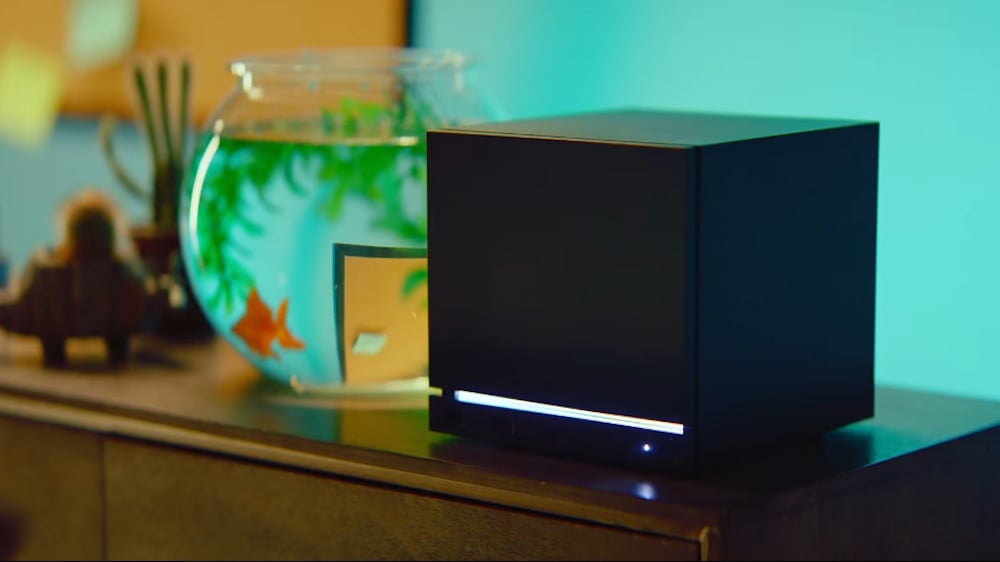
Valve has officially confirmed that Steam Machine will launch this summer, marking the company's long-awaited entry into the living room hardware market. The announcement arrives after years of development and speculation about the Linux-based console's release timeline.
Steam Machine represents Valve's push to bring PC gaming to television screens through a dedicated device that runs SteamOS. The hardware strategy challenges traditional console makers by leveraging Valve's Steam platform and offering access to the company's vast game library on a living room device. Multiple hardware manufacturers have partnered with Valve to produce Steam Machine variants, giving consumers options at different price points and performance tiers.
The company also confirmed that its standalone VR headset will ship within the same summer window. This dual launch reflects Valve's broader ambitions to diversify beyond traditional PC gaming and establish footholds in emerging hardware categories. The VR headset launch adds competitive pressure to Meta's Oculus lineup and other existing virtual reality platforms.
The timing matters significantly. Console cycles typically run seven to ten years, and a summer launch positions Steam Machine to capture early adopter interest before the typical fall gaming season surge. However, the device faces an uphill battle convincing console gamers to adopt a PC-based alternative when PlayStation and Xbox remain entrenched in millions of households.
Valve's hardware strategy hinges on SteamOS compatibility with existing PC games and the promise of seamless performance on living room displays. The company's ecosystem advantage, built on decades of PC gaming dominance through Steam, provides leverage that traditional hardware startups lack. Success depends on developer support and whether gamers view Steam Machine as a legitimate third console option or merely an experimental peripheral.
The VR headset launch signals Valve's willingness to compete across multiple hardware categories simultaneously. This aggressive stance suggests the company sees virtual reality as essential to gaming's future, even as it invests in traditional home entertainment with Steam