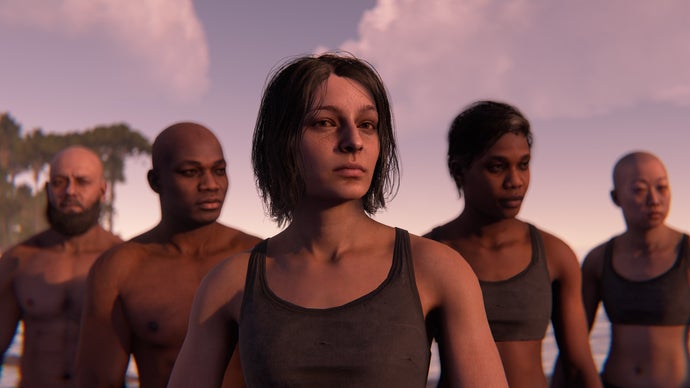
Rust receives a visual overhaul with updated player character models, introducing refreshed character designs that replace the survival game's older character aesthetics. Facepunch Studios pushed the changes to improve the visual fidelity of player avatars, giving them a cleaner, more modern appearance.
The update reflects ongoing efforts to refresh Rust's aging visuals. The survival multiplayer game, which launched in early access in 2013 and reached full release in 2021, continues to receive significant updates years after launch. Character models represent one of the most visible elements players encounter during every play session, making cosmetic upgrades a priority for maintaining the game's appeal.
This change fits a broader pattern in live-service games where developers periodically refresh core assets. Player characters appear constantly on screen and in social interactions with other survivors, making their visual quality directly impact player perception. Updated models signal active development and help retain players who might otherwise perceive the game as stagnant.
Rust's competitive survival landscape includes titles like DayZ and various battle royale alternatives. The character redesign demonstrates Facepunch's commitment to keeping the 2021 release fresh against newer competitors. Monthly updates have become standard for Rust, with the studio balancing new content, balance changes, and visual improvements.
The new character models likely arrive alongside performance optimizations or other gameplay changes typical of Rust's regular update cadence. The survival experience continues to attract players through its combination of PvP combat, base building, and resource management on both official and community servers.
For players who spent thousands of hours in their old avatars, the forced character refresh erases previous customization tied to the outdated models. This represents a clean slate approach, though long-term players might experience a disconnect from characters they've invested in. Rust's community forums typically discuss visual updates extensively, with feedback shaping future iteration priorities.
CATEGORY