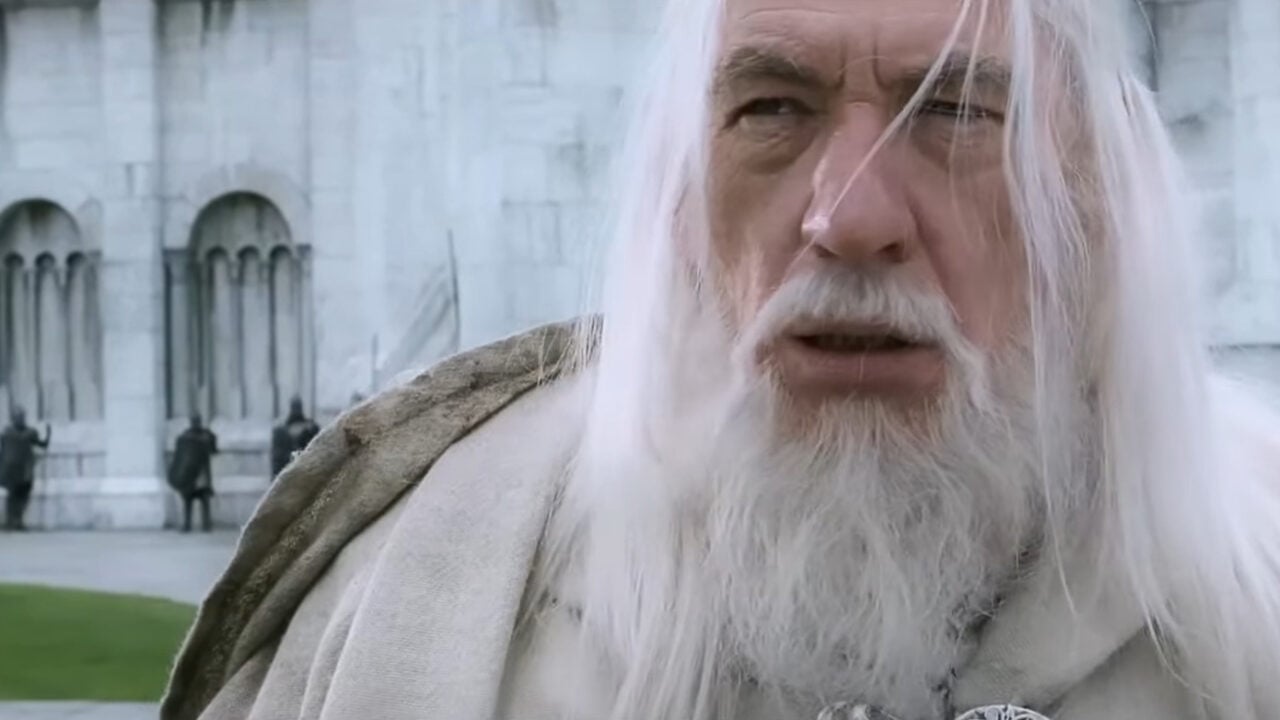
The Lord of the Rings franchise faces relentless corporate exploitation across gaming and entertainment. Major studios continue mining Tolkien's IP for quick returns, diluting what once felt like sacred source material through endless adaptations, sequels, and spinoffs. The gaming space has seen particularly aggressive licensing deals, from Middle-earth: Shadow of Mordor's controversial mechanics to the upcoming Lord of the Rings: The Rings of Power tie-in projects that prioritize monetization over creative integrity.
The problem runs deeper than quality control. Corporations hold the Rings license hostage, preventing passionate independent creators from telling meaningful stories within that universe while simultaneously greenlit mediocre projects with massive budgets. Players remember when Lord of the Rings games felt like events. Now they arrive with the regularity of mobile gacha releases, each one stripped of the atmospheric worldbuilding that made the originals memorable.
Amazon's sprawling Rings of Power TV series spawned multiple gaming initiatives, none particularly distinguished. Embracer Group's ownership of Middle-earth game rights has produced a scattered portfolio more interested in cross-promotional opportunities than standalone excellence. Meanwhile, EA's shelved Lord of the Rings project demonstrates how corporate risk-aversion kills ambitious ideas when profitability seems uncertain.
The irony burns sharp. Tolkien created a literary universe explicitly designed to have longevity and depth. Corporations treat it like a quarterly earnings cycle. Licensed games rarely reach their potential because executives demand immediate returns rather than letting developers build something that earns trust over time.
This won't stop. The Rings IP generates too much revenue, and too many publishers hold pieces of the puzzle. Expect more hasty adaptations, more battle passes, more cosmetics disguised as Middle-earth expansion. The franchise has transformed from creative property into a corporate asset, stripped of mystery and treated as a reliable revenue stream rather than a storytelling opportunity.