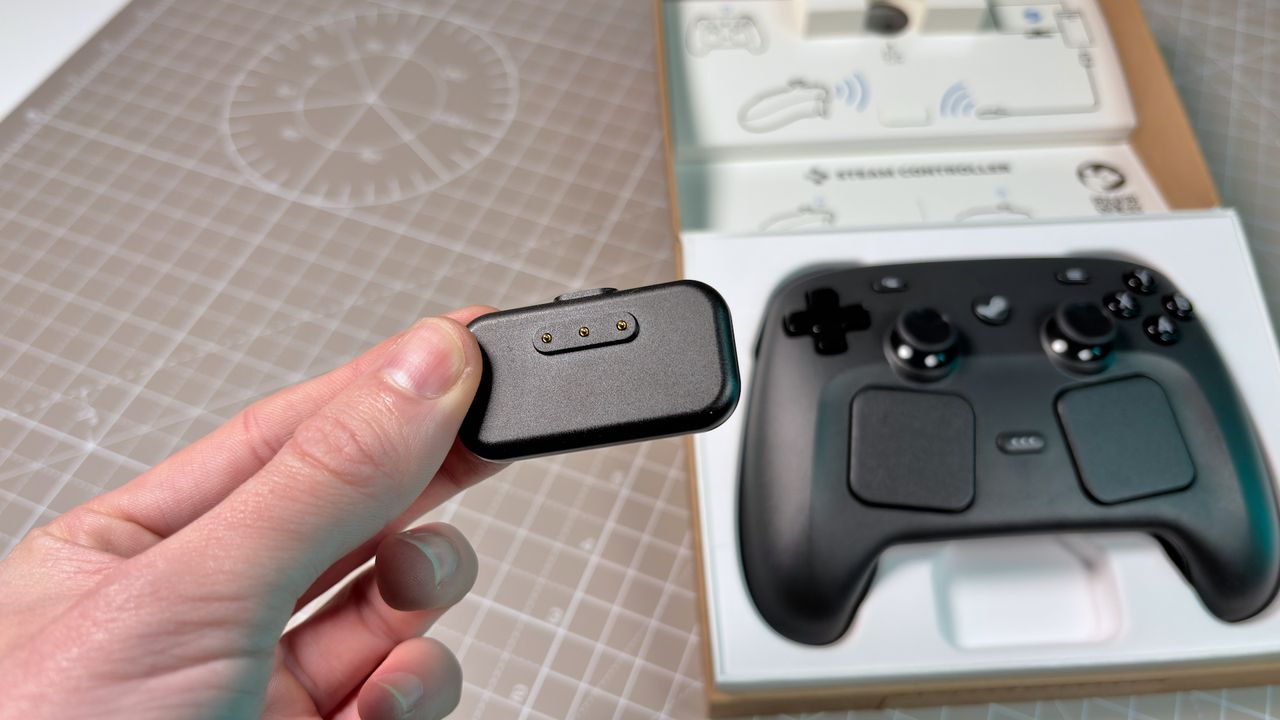
Valve's Steam Controller charging dock poses an electrical hazard that users need to know about. The charging puck remains live even when not actively charging, meaning contact with conductive materials can deliver a shock.
This design flaw isn't unique to Valve. Other wireless controllers and charging accessories have similar issues, but that doesn't excuse the oversight. The exposed electrical contacts on the Steam Controller's charging puck create an unnecessary risk in a consumer product.
Users have reported accidental contact with the live puck causing electric shocks. The problem stems from Valve's decision to leave power flowing to the dock continuously rather than implementing a safety mechanism that cuts power when the controller disconnects.
Wireless controller manufacturers typically either insulate their charging contacts more thoroughly or design docks that only activate power when a device connects. Valve chose neither approach with the Steam Controller, leaving responsibility entirely on the user to avoid contact with the metal contacts.
The issue affects anyone with a Steam Controller. Households with children or pets face increased risk, as accidental contact becomes more likely. Even careful users can brush against the puck when reaching for controllers or cleaning their setup.
Valve hasn't issued an official warning about the charging puck hazard, nor has the company released a firmware or hardware update to address it. This represents a gap in consumer safety communication.
Players affected by the issue have found workarounds. Some completely disconnect the charging dock when not in use. Others tape over the contacts or build protective enclosures. These solutions work, but they shouldn't be necessary.
The Steam Controller itself has largely faded from active use as gaming moved toward standard controller layouts. However, players who still use the controller need protection from this design oversight. Valve's future hardware iterations should incorporate proper power management and contact safety measures from the start.