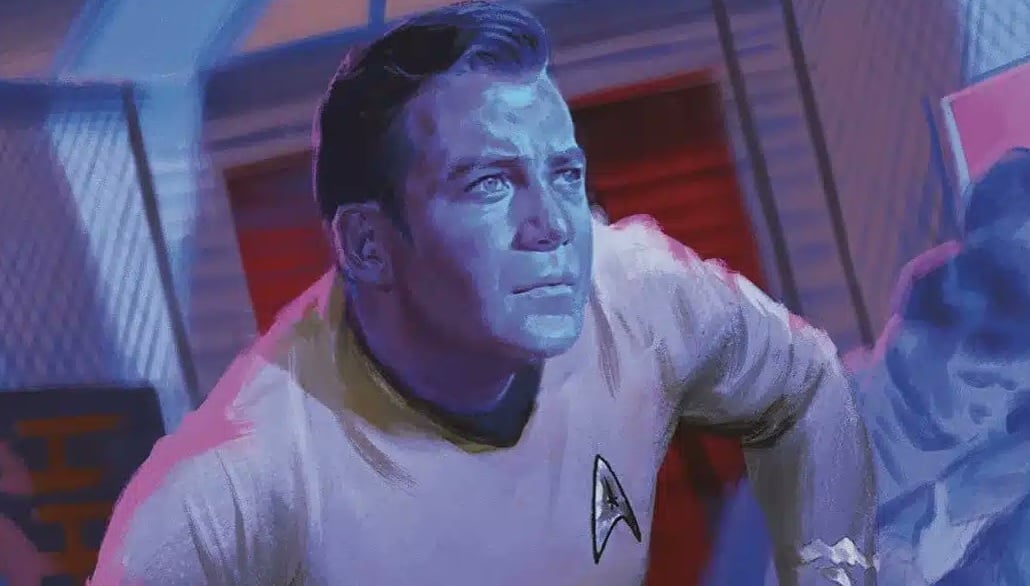
William Shatner's social media presence took aim at Wizards of the Coast's Magic: The Gathering Star Trek set, specifically calling out the Captain Kirk card for appearing AI-generated. The account posted criticism of the card's artwork, suggesting the depiction failed to capture the iconic actor's likeness with authenticity.
The Kirk card from the MTG Star Trek collaboration represents a high-profile misstep for Wizards of the Coast at a time when AI art concerns loom large in the trading card and gaming community. Magic players have grown increasingly vocal about art quality and authenticity, particularly following industry-wide debates about AI-generated imagery in card games.
Shatner's public disapproval carries weight beyond typical fan complaint. The Star Trek actor remains a cultural fixture with significant social media reach. His direct criticism signals that the card art failed on a fundamental level: representing the source material's actual star with recognizable fidelity. For a licensed collaboration built on nostalgia and fan goodwill, this represents brand damage.
MTG Star Trek sets have generated considerable interest among crossover fans hungry for official Trek cards. However, execution matters as much as concept. When card art depicting a living actor produces concerns about AI generation rather than celebration of the license, the set's credibility takes a hit.
Wizards of the Coast faces mounting pressure to demonstrate rigorous quality control on licensed properties. The Kirk card incident underscores how casualness with artwork selection can backfire spectacularly when involving recognizable public figures. Shatner's account essentially weaponized his platform to hold the company accountable in real time, turning a single card into a symbol of broader concerns about corners cut in licensed gaming products.
The situation reflects player appetite for premium treatment of premium licenses. Star Trek fans expect better. Shatner clearly agrees.