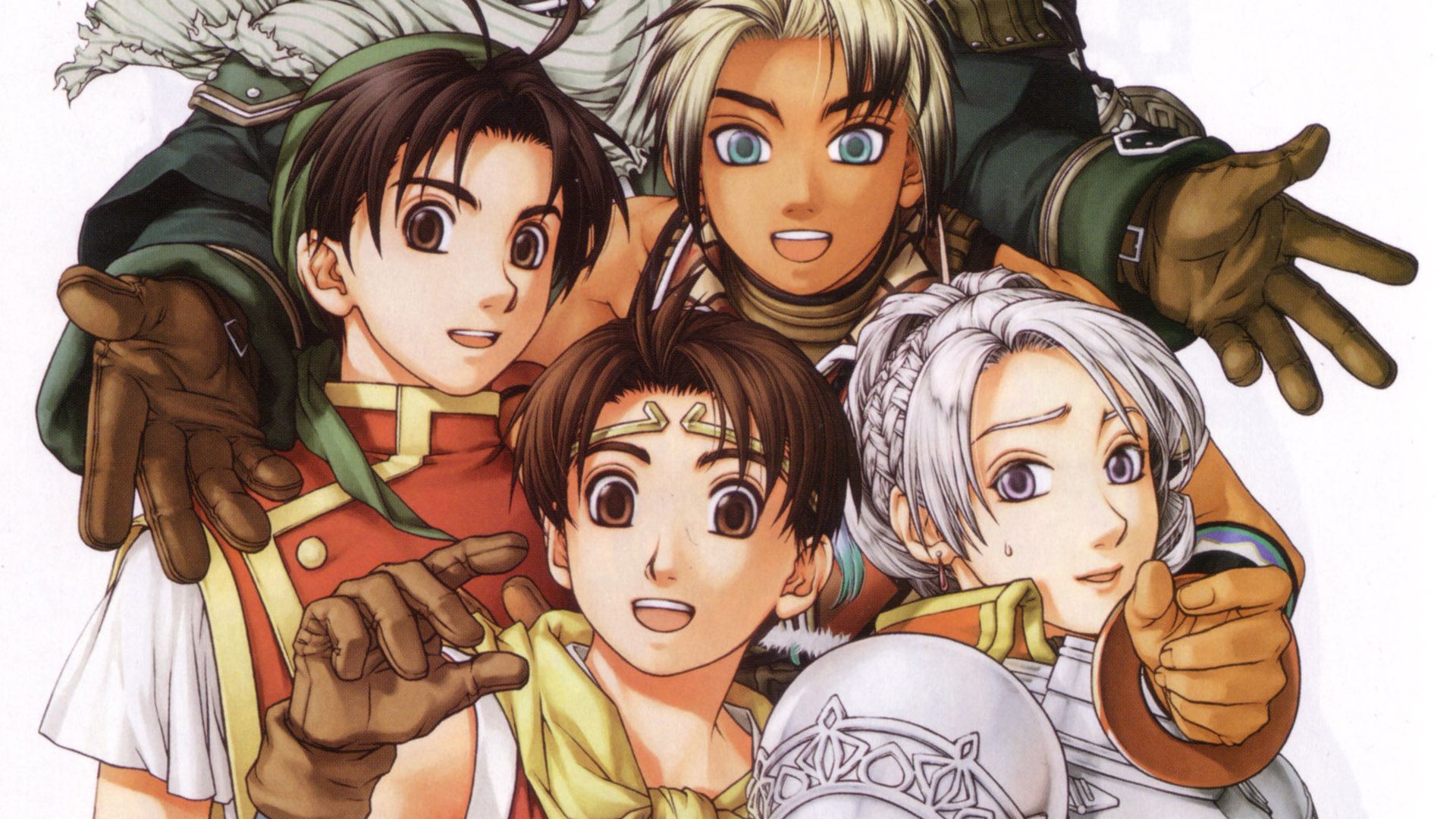
The Suikoden series has given gaming one of its most memorable supporting characters: a talking sword with attitude. The Celestial Sword stands out not just for its ability to speak, but for its personality. It's a gruff, no-nonsense weapon that constantly challenges the protagonists with zero patience for their heroic idealism. This dynamic creates genuine comedy and philosophical tension that most modern RPGs abandon.
Suikoden's approach to the Celestial Sword reflects a broader design philosophy from PlayStation-era JRPGs that valued character depth in unexpected places. Rather than confining personality to party members and NPCs, the series weaponized personality literally. A sword becomes a mentor figure, a skeptic, and occasional comedic relief all at once.
Modern RPGs rarely take these kinds of narrative risks. Most talking weapons appear as straightforward gameplay systems or exposition dumps, their dialogue serving function rather than character. Suikoden understood that a sarcastic, world-weary blade could deliver better writing than dozens of forgettable side quests. The Celestial Sword's disdain for the protagonist's naiveté creates real thematic weight about idealism versus pragmatism.
The series' legacy demonstrates demand for this kind of whimsy. Suikoden built a devoted fanbase across five mainline entries and multiple spin-offs by trusting that players wanted personality alongside gameplay mechanics. The franchise proved that RPGs benefit from unpredictable character voices, even when those characters are inanimate objects.
Current industry trends favor bigger budgets and safer storytelling. Studios chase formula over experimentation. A sarcastic, talking sword might seem frivolous by modern standards, where every narrative beat requires justification and player engagement metrics.
But Suikoden's Celestial Sword proves players connect with bold character work. It proves small narrative flourishes linger