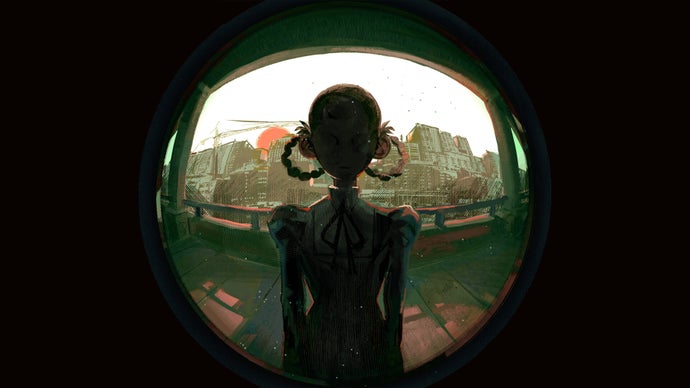
Sleepover taps into apocalyptic dread as a cosmic horror visual novel centered on humanity's final survivor. The protagonist wakes to find Earth emptied of all other people, a scenario the developer clearly understands as existentially terrifying. The twist lands when a stranger appears at their front door, upending the isolation narrative and introducing an unknown variable into an already nightmarish reality.
Visual novels thrive on atmospheric tension and character interaction, and Sleepover weaponizes both. The genre excels at psychological horror through dialogue trees and narrative branching. By pairing total planetary emptiness with the sudden arrival of an unexplained visitor, the game creates immediate uncertainty. That stranger could represent salvation, threat, or something far stranger still. The cosmic horror framing suggests reality itself has fractured in ways beyond simple disappearance.
The setting positions Sleepover against recent post-apocalyptic fiction that leaned toward zombie plague or nuclear collapse. Instead, this game explores something quieter and more unsettling. Complete absence. The visual novel medium allows the developer to linger on that emptiness through text and still images before the stranger's arrival reframes everything. Player choice becomes crucial. Whether to trust the visitor, what to reveal about your circumstances, how much of your mental state has degraded during isolation. These decisions likely branch the narrative into divergent endings.
Cosmic horror as a subgenre has gained traction in indie games over the past five years, from titles like Sunless Sea to Cultist Simulator. Sleepover slots into that niche market of players seeking unsettling, cerebral experiences over action-driven gameplay. The visual novel format keeps development scope manageable while maximizing atmosphere and narrative depth.
The game targets PC players specifically, where visual novels maintain a dedicated audience. Success depends on execution of tension and the stranger's characterization. A poorly developed visitor