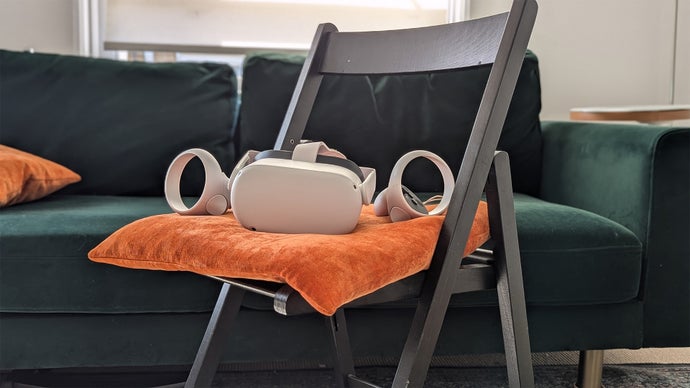
Half-Life: Alyx demands physical commitment that traditional gaming doesn't. The VR prequel to Half-Life 2 requires players to crouch, dodge, and reposition constantly during combat encounters. One Rock Paper Shotgun writer discovered this the hard way, finding their previously injured knees couldn't handle the repeated crouching and kneeling needed to take cover behind cars and objects throughout the game.
The piece highlights a real accessibility concern with VR gaming. While pancake shooters let players crouch with a button press, Alyx expects actual body movement. That means standing, bending, ducking, and maintaining positions that put strain on joints. For players with existing knee problems, arthritis, or other mobility issues, this creates a barrier that goes beyond difficulty settings or control remapping.
The writer's experience isn't isolated. VR gaming's physicality offers immersion benefits that flat screens can't match, but it also carries consequences for player health. Half-Life: Alyx delivers that immersion brilliantly, drawing players into combat scenarios where crouching feels natural and necessary. The problem emerges when that natural immersion becomes painful obligation.
Valve built Alyx with VR veterans in mind, and it shows. The game doesn't compromise on interaction complexity or environmental variety. Players interact with objects naturally, aim with precision, and move through space with purpose. That design philosophy creates an excellent game but excludes players whose bodies can't sustain the physical demands.
The VR industry faces an ongoing challenge: how to deliver the immersive benefits of full-body interaction without creating accessibility barriers. Seated VR experiences exist, but demanding standing titles like Alyx remain the showcase experiences. As VR matures, developers will need to consider how to scale physical demands across player capabilities. For now, Half-Life: Alyx remains essential VR gaming, but