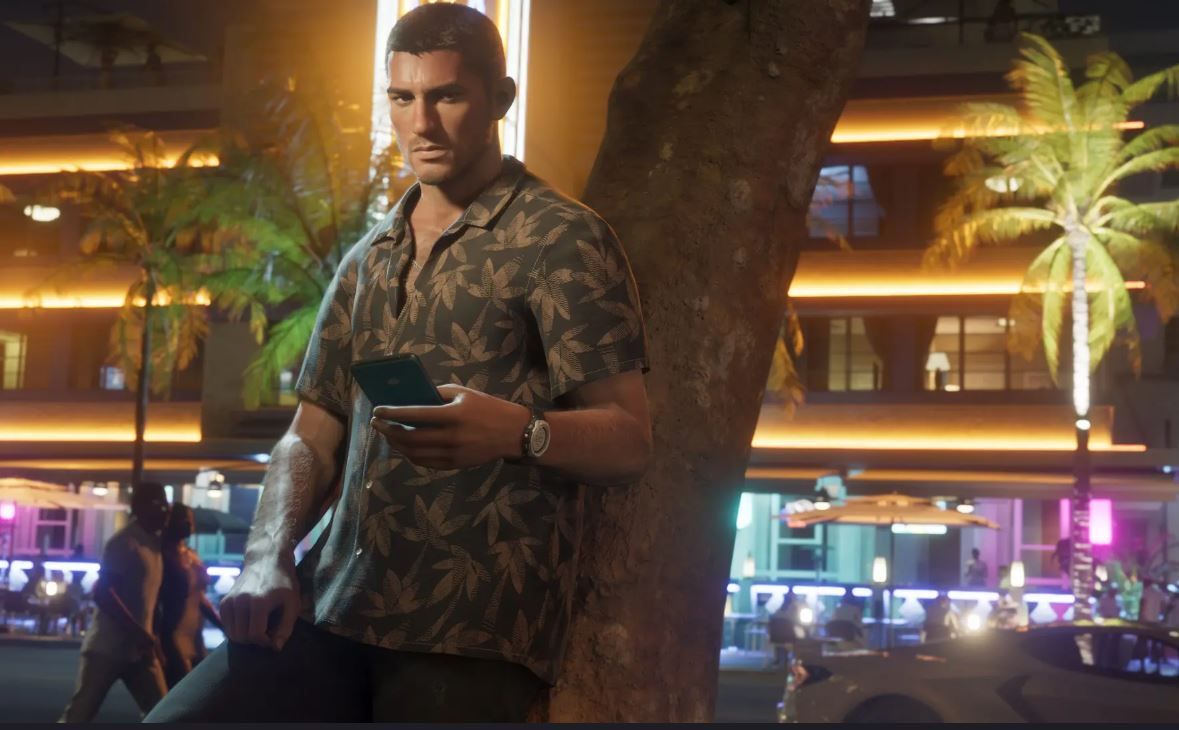
Take-Two Interactive's CEO Strauss Zelnick hinted during an earnings call that Grand Theft Auto 6 could eventually operate on a subscription model. The company outlined long-term monetization strategies beyond traditional game sales, raising the possibility that Rockstar's tentpole franchise adopts a recurring revenue approach.
Zelnick's remarks suggest Take-Two views subscription services as a key revenue stream for major franchises. The gaming industry has increasingly shifted toward live service models and subscription tiers, with competitors like Microsoft and PlayStation expanding their subscription offerings. GTA 6 already carries expectation for substantial post-launch monetization through GTA Plus membership options and in-game currency sales, mirroring GTA Online's proven revenue model.
The subscription angle aligns with how Take-Two has monetized GTA Online for over a decade. The company generated billions from that title alone through shark cards, battle passes, and limited-time content drops. Applying similar mechanics to GTA 6's online component represents logical business strategy, though a full subscription requirement remains speculative based on Zelnick's comments.
What distinguishes this possibility is whether Take-Two moves toward a mandatory subscription gate for multiplayer or post-game content, or simply offers optional premium tiers. The latter mirrors GTA Plus, which grants benefits without blocking access. The former would represent a more aggressive monetization stance.
Rockstar hasn't officially announced GTA 6's monetization structure beyond confirming its expected 2025 release. However, Take-Two's earnings call suggests the publisher sees subscription integration as central to the franchise's financial future. This strategy directly reflects shareholder pressure for recurring revenue models and the success of live service adoption across AAA studios.
Players should expect robust monetization, though Take-Two's careful wording leaves room for flexibility. The company balances maximizing shareholder returns against player