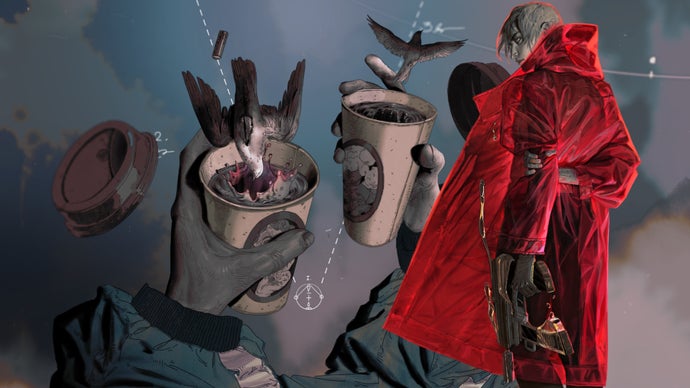
ZA/UM's upcoming title Zero Parades continues the studio's tradition of dense, dialogue-heavy role-playing mechanics that reward player choice while punishing deviation. The game features a character called Wang who enforces strict behavioral contracts with the player, stripping away bonuses when you violate the agreement you've made with him.
The core tension centers on player agency versus constraint. Accept Wang's terms and you gain mechanical advantages. Break them, and Wang responds with text-based confrontation, removing your perks. This systems-driven approach mirrors ZA/UM's philosophy in Disco Elysium, where every decision carries weight and consequence. The studio builds narrative and gameplay around dialogue, stat checks, and the moral weight of committing to a particular roleplay identity.
The "thought violation gun" mentioned in the headline functions as Zero Parades' signature mechanic, reinforcing the game's thematic focus on control, agreement, and the cost of breaking social contracts. It aligns with ZA/UM's interest in exploring systems of power, authority, and how games mechanically represent punishment.
Zero Parades follows Disco Elysium's critical success and cult following. That 2019 release earned widespread praise for its writing, world-building, and refusal to follow traditional RPG design. The Final Cut arrived in 2021 with voice acting and additional content. Zero Parades signals ZA/UM's continued commitment to experimental RPG design that prioritizes player choice and consequence over action-oriented gameplay.
The Wang mechanic demonstrates how indie studios continue pushing genre boundaries. Rather than traditional combat systems, ZA/UM uses social contracts and behavioral enforcement to create tension. Players must decide whether the bonuses justify conforming to Wang's rules or whether maintaining autonomy matters more than mechanical advantage.
This design philosophy speaks to a growing segment of players fatig